
Vocabulary in context
SAT Vocabulary Workbook
The closest companion to SATVocab for students who want guided lessons and written practice.
Check the workbook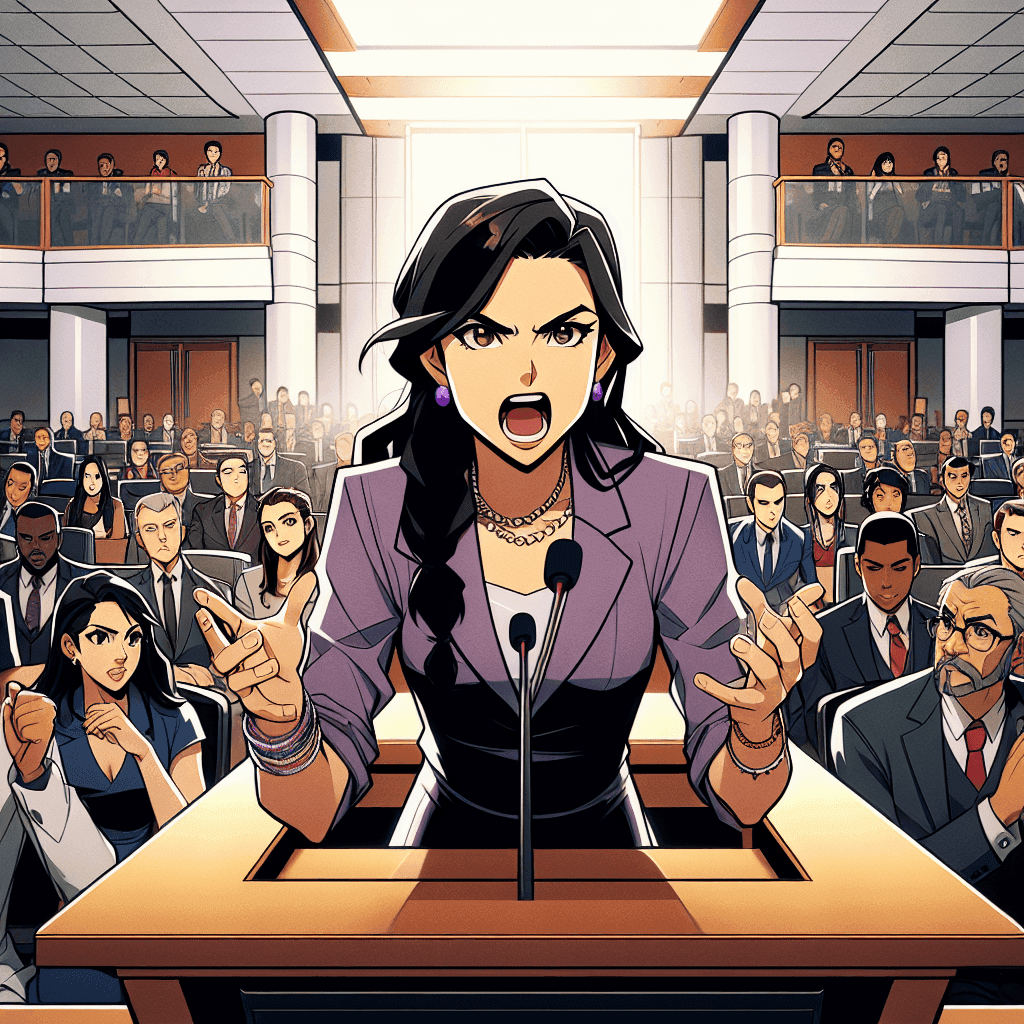
To publicly condemn or denounce something; to express strong disapproval of a policy, action, or idea.
verbPick the meaning. Keys A–D work too.
Your choice schedules the next review.
Imagine a city council meeting where a respected columnist stands to condemn a new policy, loudly declaring it unfair and harmful while others boo in agreement.
dih-KRY
de + cry (visual cue: prefix de- plus the word cry)
Decry is formal and often used in journalism, politics, or opinion writing to express strong disapproval. It does not mean to decrease in quantity.
Do not confuse decry with descry (to discern or spot visually). They are unrelated in meaning. Decry is about denouncing; descry is about noticing.
From Middle French decrier 'to cry down, denounce', from de- 'down' + crier 'to cry' (to shout or proclaim).
DECRY = de-cry: to cry down or condemn; picture a town crier at a city meeting shouting against a bill, effectively 'crying it down'.
Continue in alphabetical order.
Pick any word below to jump in.
Related words and words with the same part of speech.
To express strong disapproval of something or someone, and to declare them unfit, wrong, or deserving of punishment; in a legal sense, to sentence a person to punishment.
To publicly condemn or criticize something or someone.
To express strong disapproval of (someone or something); to condemn or rebuke, typically in a formal or official manner.
To express disapproval of something; to condemn or belittle.
To give up completely, to desert or leave behind, or to relinquish a claim, plan, or responsibility.
To decrease in amount or intensity; to reduce or end something.
Study beyond this word
Add a workbook for repetition or the official guide for full-test context.
Vocabulary in context
The closest companion to SATVocab for students who want guided lessons and written practice.
Check the workbook
First-time test takers
Official question styles, test structure, and print practice from the College Board.
Check the official guidePaid Amazon links. As an Amazon Associate I earn from qualifying purchases.