
Vocabulary in context
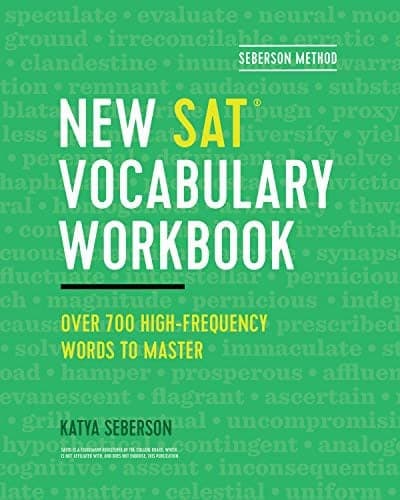
SAT Vocabulary Workbook
The closest companion to SATVocab for students who want guided lessons and written practice.
Check the workbook
To damage or ruin someone's reputation by making false statements or presenting them in a harmful way; to slander.
verbPick the meaning. Keys A–D work too.
Your choice schedules the next review.
Imagine a gossip magazine printing a story that a local teacher stole from a store. The article contains unverified claims and makes the teacher look guilty, causing students and parents to shun them—defaming the teacher before any truth is known.
dih-FAYM
de-fame (looks like 'de' + 'fame')
Defamation requires false statements; if a claim is true, it is not defamation. Distinguish defaming (verb) from defamation (noun) and defamatory (adjective).
Malign; Vilify
Be careful not to mistake criticism or opinions for defamation; defamation involves false statements of fact that harm a person’s reputation. In law, libel is written defamation and slander is spoken defamation.
From Latin de-, meaning away or down + fame (reputation or rumor); defamare originally meant to take away someone's good name.
De-FAME: take away someone's fame or reputation.
Continue in alphabetical order.
Pick any word below to jump in.
Happening as a minor or accompanying part; not essential to the main purpose, or arising as a secondary consequence or accessory.
The point at which two things join or connect; a critical or decisive moment.
to be successful or thriving, especially financially; to flourish or gain wealth, health, or influence.
Related words and words with the same part of speech.
To give up completely, to desert or leave behind, or to relinquish a claim, plan, or responsibility.
To decrease in amount or intensity; to reduce or end something.
To formally end or repeal a system, practice, or institution; to officially put an end to something established.
To shorten (a text, speech, or other work) by omitting parts; to condense.
To depart secretly or flee, especially to avoid detection or arrest.
To free someone from blame or responsibility; to pardon or exonerate.
Study beyond this word
Add a workbook for repetition or the official guide for full-test context.
Vocabulary in context
The closest companion to SATVocab for students who want guided lessons and written practice.
Check the workbook
First-time test takers
Official question styles, test structure, and print practice from the College Board.
Check the official guidePaid Amazon links. As an Amazon Associate I earn from qualifying purchases.