
Vocabulary in context
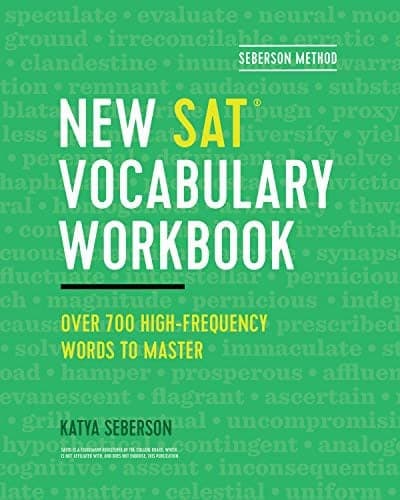
SAT Vocabulary Workbook
The closest companion to SATVocab for students who want guided lessons and written practice.
Check the workbook
To express strong disapproval of (someone or something); to condemn or rebuke, typically in a formal or official manner.
verbPick the meaning. Keys A–D work too.
Your choice schedules the next review.
Imagine a city council meeting where a mayor is accused of ethical misconduct. The council votes to censure the mayor, and a formal rebuke is read aloud, followed by a plan for corrective action.
SEN-shər
visually similar to 'censor'
Censure is a formal expression of disapproval, not necessarily a removal from office. It is different from censorship (the suppression of speech or information). In many political or organizational settings, a censure serves as an official rebuke rather than a punishment that removes duties.
Do not confuse censure with censor. Censure is disapproval or condemnation; censoring is restricting or suppressing content. The verb forms are censures, censured, censoring; the noun form is censure.
From Latin censura 'judgment, assessment' from censere 'to assess, to judge'.
CENSURE sounds like SEN-cher. Imagine a judge at a podium saying 'I censure this action'—a formal, official rebuke. The familiar 'sen-' root helps recall the sense of a formal judgment.
Continue in alphabetical order.
Pick any word below to jump in.
To capture and hold someone's attention or imagination; to spellbind or fascinate.
A system in which people or things are arranged according to rank or authority; a graded order of importance or power.
Having a harmful, destructive, or deadly effect, especially over a long period or in a subtle way.
Related words and words with the same part of speech.
To express strong disapproval of something or someone, and to declare them unfit, wrong, or deserving of punishment; in a legal sense, to sentence a person to punishment.
To publicly condemn or denounce something; to express strong disapproval of a policy, action, or idea.
To give up completely, to desert or leave behind, or to relinquish a claim, plan, or responsibility.
To decrease in amount or intensity; to reduce or end something.
To formally end or repeal a system, practice, or institution; to officially put an end to something established.
To shorten (a text, speech, or other work) by omitting parts; to condense.
Study beyond this word
Add a workbook for repetition or the official guide for full-test context.
Vocabulary in context
The closest companion to SATVocab for students who want guided lessons and written practice.
Check the workbook
First-time test takers
Official question styles, test structure, and print practice from the College Board.
Check the official guidePaid Amazon links. As an Amazon Associate I earn from qualifying purchases.