
Vocabulary in context
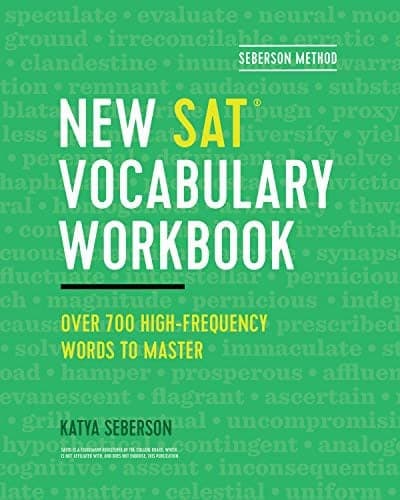
SAT Vocabulary Workbook
The closest companion to SATVocab for students who want guided lessons and written practice.
Check the workbook
Lacking originality or freshness; dull, commonplace, and overused.
adjectivePick the meaning. Keys A–D work too.
Your choice schedules the next review.
Imagine an NBC station manager banned Al’s television shows from prime-time TV because they were extremely boring.
buh-NAL
ban + al (two parts: 'ban' and 'al')
Banality is the noun form; etymologically related to being common or ordinary, not to prohibiting something.
Use banal to describe things that feel dull due to cliché or overfamiliarity, not mere mediocrity. Distinguish from 'ban' in meaning; banal refers to dull sameness, not a direct act of banning.
From French banal, meaning common or ordinary; ultimately from Medieval Latin bannus (service, obligation) in feudal contexts, reflecting the sense of things that are common or ordinary.
Ban all originality: banal reminds you of things that ban all freshness.
Continue in alphabetical order.
Pick any word below to jump in.
Related words and words with the same part of speech.
Lacking in imagination or creativity; dull and ordinary in style, especially in writing that resembles prose rather than poetry.
Ordinary, commonplace, and unremarkable; worldly rather than spiritual.
Difficult to understand; obscure or highly complex.
Happening by chance or without deliberate planning; not intended. In music, it is also a noun for a symbol that temporarily alters a pitch.
Sharp or biting in tone or taste; caustic or mordant in manner.
Ready to agree or approve without protest; compliant.
Study beyond this word
Add a workbook for repetition or the official guide for full-test context.
Vocabulary in context
The closest companion to SATVocab for students who want guided lessons and written practice.
Check the workbook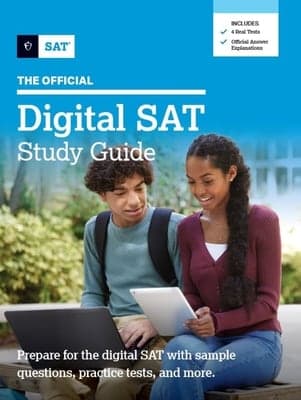
First-time test takers
Official question styles, test structure, and print practice from the College Board.
Check the official guidePaid Amazon links. As an Amazon Associate I earn from qualifying purchases.