
Vocabulary in context
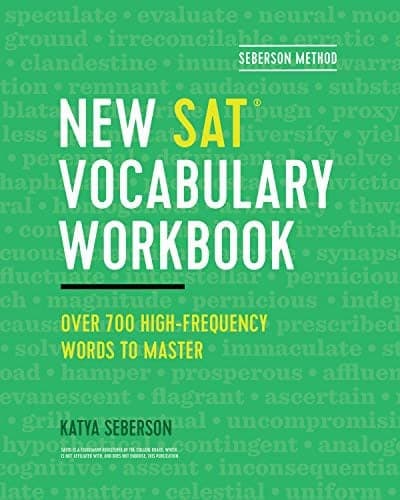
SAT Vocabulary Workbook
The closest companion to SATVocab for students who want guided lessons and written practice.
Check the workbook
Bitterness of speech or manner; ill feeling
nounPick the meaning. Keys A–D work too.
Your choice schedules the next review.
Two developers are arguing over the money for an acre of land. The arguments are full of anger and bitterness.
AK-ruh-MOH-nee
Acrimony derives from Latin acrimonia meaning sharpness or bitterness; it often surfaces in long-running disputes and legal or formal settings.
Acrimony emphasizes harsh language or behavior during conflict. It is stronger than mere dislike and is often seen in heated negotiations or bitter feuds; avoid confusing with hostility alone.
From Medieval Latin acrimonia, from Latin acer, acer- 'sharp, bitter'.
A CRY + MONEY: Think of a quarrel over money that starts with a cry and leads to bitterness.
Continue in alphabetical order.
Pick any word below to jump in.
Related words and words with the same part of speech.
Hostility or enmity; a strong feeling of dislike that leads to active opposition.
Long-lasting, bitter resentment or ill will toward someone, often persisting over time.
The act or instance of humiliating or degrading someone; the state of being lowered in dignity or status.
The quality or state of being wildly unreasonable, illogical, or ridiculous; something that is completely contrary to reason or common sense.
A distinctive way of pronouncing words; the act of emphasizing a syllable or word (as a verb, to accent means to emphasize).
An honor; a public expression of praise or an award.
Study beyond this word
Add a workbook for repetition or the official guide for full-test context.
Vocabulary in context
The closest companion to SATVocab for students who want guided lessons and written practice.
Check the workbook
First-time test takers
Official question styles, test structure, and print practice from the College Board.
Check the official guidePaid Amazon links. As an Amazon Associate I earn from qualifying purchases.