
Vocabulary in context
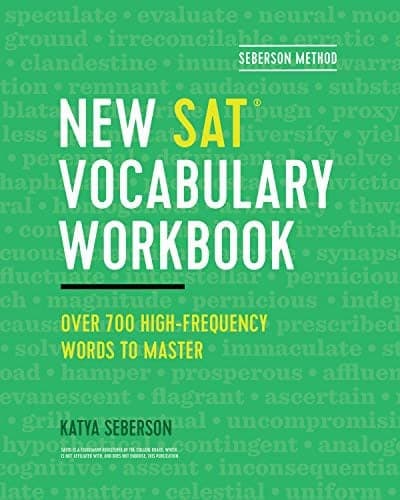
SAT Vocabulary Workbook
The closest companion to SATVocab for students who want guided lessons and written practice.
Check the workbook
Ordinary, commonplace, and unremarkable; worldly rather than spiritual.
adjectivePick the meaning. Keys A–D work too.
Your choice schedules the next review.
The monk has no interest in worldly affairs, such as job advancement, but is devoted to prayer and devotional time.
mun-DAYN
looks like the word itself; no obvious visual cue.
Mundane often contrasts with the extraordinary or sacred; while it can mean dull, its core sense is 'earthly, worldly' or 'ordinary'.
Two senses: (1) worldly/earthly, (2) dull or routine. In SAT contexts, focus on 'ordinary' or 'unremarkable' rather than 'boring'.
From Latin mundanus 'worldly, of the world', from mundus 'world'. The sense 'earthly' evolved to mean 'ordinary, dull' in English.
Mundane sounds like Monday; both evoke the ordinary, routine nature of ordinary days.
Continue in alphabetical order.
Pick any word below to jump in.
Related words and words with the same part of speech.
Lacking originality or freshness; dull, commonplace, and overused.
Lacking in imagination or creativity; dull and ordinary in style, especially in writing that resembles prose rather than poetry.
Difficult to understand; obscure or highly complex.
Happening by chance or without deliberate planning; not intended. In music, it is also a noun for a symbol that temporarily alters a pitch.
Sharp or biting in tone or taste; caustic or mordant in manner.
Ready to agree or approve without protest; compliant.
Study beyond this word
Add a workbook for repetition or the official guide for full-test context.
Vocabulary in context
The closest companion to SATVocab for students who want guided lessons and written practice.
Check the workbook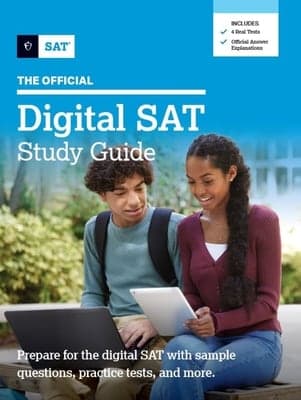
First-time test takers
Official question styles, test structure, and print practice from the College Board.
Check the official guidePaid Amazon links. As an Amazon Associate I earn from qualifying purchases.