
Vocabulary in context
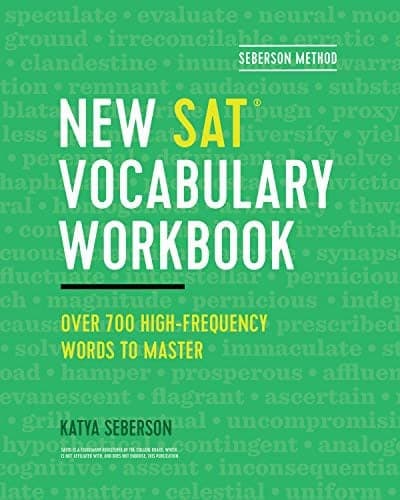
SAT Vocabulary Workbook
The closest companion to SATVocab for students who want guided lessons and written practice.
Check the workbook
To take the place of someone or something; to replace, displace, or take over from the current holder.
verbPick the meaning. Keys A–D work too.
Your choice schedules the next review.
Picture a royal court where a trusted advisor is quietly undermined by a rival. At the next council, the rival steps forward as the new advisor, and the old one is supplanted and sidelined.
/səˈplænt/
Looks like two parts: 'sup-' and 'plant' — imagine a plant being planted under an old one to push it out.
Supplant often carries a sense of replacement through competition or undermining, common in politics, business, and technology contexts.
replace, displace, supersede, oust, dethrone, usurp
Do not confuse with 'supplement' (to add). Supplant means to replace, not to add. It is commonly followed by the person or thing being replaced (e.g., a new system supplants the old one).
From Latin supplantare 'to trip up, overthrow', from sub- 'under' + planta 'a sprout/foot'; the sense evolved from literally tripping someone up to taking their place.
SUPPLANT: Think of a new plant being planted under the old one to push it out—something SUPPLANTS the old plant.
Continue in alphabetical order.
Pick any word below to jump in.
Bold, disrespectful impudence or attitude toward someone, especially toward authority.
To express strong disapproval of (someone or something); to condemn or rebuke, typically in a formal or official manner.
A union or combination of groups or parties for a common purpose; a temporary alliance.
Related words and words with the same part of speech.
To seize power, control, or a position by force or without legal right; to replace someone by coercive or illicit means.
To give up completely, to desert or leave behind, or to relinquish a claim, plan, or responsibility.
To decrease in amount or intensity; to reduce or end something.
To formally end or repeal a system, practice, or institution; to officially put an end to something established.
To shorten (a text, speech, or other work) by omitting parts; to condense.
To depart secretly or flee, especially to avoid detection or arrest.
Study beyond this word
Add a workbook for repetition or the official guide for full-test context.
Vocabulary in context
The closest companion to SATVocab for students who want guided lessons and written practice.
Check the workbook
First-time test takers
Official question styles, test structure, and print practice from the College Board.
Check the official guidePaid Amazon links. As an Amazon Associate I earn from qualifying purchases.