
Vocabulary in context
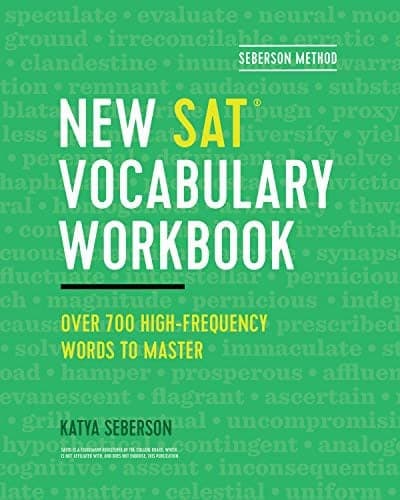
SAT Vocabulary Workbook
The closest companion to SATVocab for students who want guided lessons and written practice.
Check the workbook
To depart secretly or flee, especially to avoid detection or arrest.
verbPick the meaning. Keys A–D work too.
Your choice schedules the next review.
Ab's kitchen has many boxes of ice cream cones. Mysteriously, the cones disappear all the time. Ab says, 'I just don't know where my cones have gone; maybe they have legs? They just depart secretly. It is weird!'
ab-SKOND
looks like 'abs' + 'cond' (the word visually splits into two familiar parts).
Abscond is commonly used to describe someone fleeing, often to escape legal trouble or pursuit; it's not about simply leaving a place.
flee, escape, decamp, bolt, evade
Do not confuse abscond with 'absent' (not present) or 'abstain' (to refrain). Abscond means to leave secretly, typically to avoid being found.
From Latin abscondere 'to hide away', formed from ab- 'away' + condere 'to put, store'.
Abscond sounds like 'absent cone'—imagine Ab's cone suddenly disappearing; an absent cone is one that absconds.
Continue in alphabetical order.
Pick any word below to jump in.
Related words and words with the same part of speech.
To give up completely, to desert or leave behind, or to relinquish a claim, plan, or responsibility.
To decrease in amount or intensity; to reduce or end something.
To formally end or repeal a system, practice, or institution; to officially put an end to something established.
To shorten (a text, speech, or other work) by omitting parts; to condense.
To free someone from blame or responsibility; to pardon or exonerate.
To take in or soak up something (such as liquid, information, or attention); to engross or occupy someone.
Study beyond this word
Add a workbook for repetition or the official guide for full-test context.
Vocabulary in context
The closest companion to SATVocab for students who want guided lessons and written practice.
Check the workbook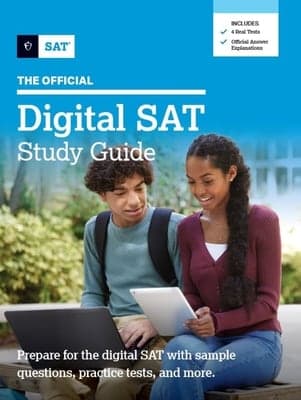
First-time test takers
Official question styles, test structure, and print practice from the College Board.
Check the official guidePaid Amazon links. As an Amazon Associate I earn from qualifying purchases.