
Vocabulary in context
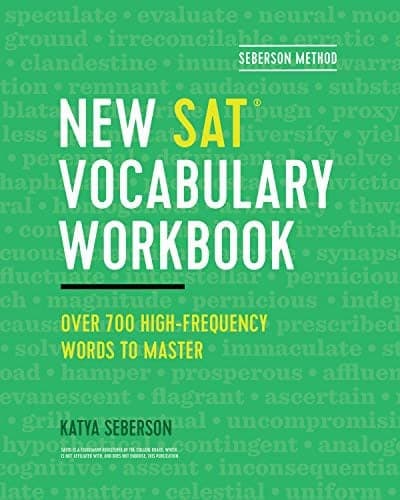
SAT Vocabulary Workbook
The closest companion to SATVocab for students who want guided lessons and written practice.
Check the workbook
Long-lasting, bitter resentment or ill will toward someone, often persisting over time.
nounPick the meaning. Keys A–D work too.
Your choice schedules the next review.
Picture two families in a seaside town who have harbored a bitter feud for decades after a disputed will. At every town event they exchange polite smiles only to slip back into cold, pointed remarks. The rancor between them feels heavy, like a thick fog that won’t lift.
RAN-kor (rhymes with anchor in some dialects)
Looks like the British spelling rancour; visually similar to rancid in root; both share the idea of a strong, negative sense
Rancor denotes deep, entrenched bitterness rather than a fleeting dislike; it often requires effort or forgiveness to overcome
bitterness, resentment, ill will, enmity, spite, hostility
Used with toward or between (e.g., harboring rancor toward someone; rancor between parties). Not the same as resentment that is temporary or mild; rancor is persistent and sour.
From Latin rancor, rancoris meaning bitterness or grudges, related to rancēre 'to stink; to be rancid'. The word entered English via Old French rancor, retaining its sense of bitter hostility.
RANCOR: Resting Anger Nurtures Cold Old Resentment
Continue in alphabetical order.
Pick any word below to jump in.
To believe that something is true or probable; to have a suspicion about something.
Relating to or applying to events that have already occurred; taking effect from a date in the past.
A person who imposes strict discipline and demands obedience to orders; a very strict disciplinarian
Related words and words with the same part of speech.
Hostility; deep-seated ill will or animosity between individuals or groups.
The act or instance of humiliating or degrading someone; the state of being lowered in dignity or status.
The quality or state of being wildly unreasonable, illogical, or ridiculous; something that is completely contrary to reason or common sense.
A distinctive way of pronouncing words; the act of emphasizing a syllable or word (as a verb, to accent means to emphasize).
An honor; a public expression of praise or an award.
Bitterness of speech or manner; ill feeling
Study beyond this word
Add a workbook for repetition or the official guide for full-test context.
Vocabulary in context
The closest companion to SATVocab for students who want guided lessons and written practice.
Check the workbook
First-time test takers
Official question styles, test structure, and print practice from the College Board.
Check the official guidePaid Amazon links. As an Amazon Associate I earn from qualifying purchases.