
Vocabulary in context
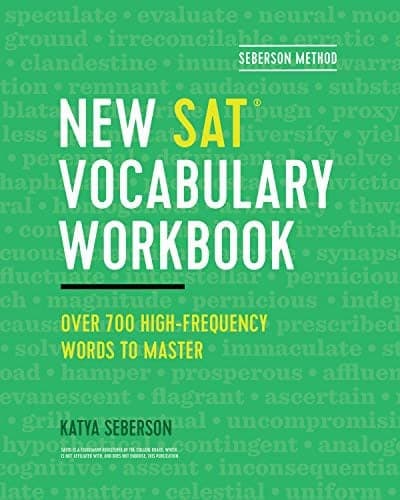
SAT Vocabulary Workbook
The closest companion to SATVocab for students who want guided lessons and written practice.
Check the workbook
To intervene in a dispute to bring about an agreement or settlement; to act as an intermediary between parties.
verbPick the meaning. Keys A–D work too.
Your choice schedules the next review.
Imagine you are a calm, patient mediator standing between two feuding neighbors. You listen to each side, propose a fair compromise, and guide them toward a middle ground where both can agree.
mee-dee-ate
Contains the root medi- meaning middle; resembles words like medium, mediation, and mediator that share the same idea of being in the middle.
The root 'medi-' comes from Latin medius meaning middle; 'mediator' is literally a go-between who sits in the middle to resolve conflict.
arbitrate, negotiate, conciliate, intervene, go-between, liaison, broker
Do not confuse mediate with meditate. Mediate involves settling disputes by negotiation or intervention; meditate means to think deeply or contemplate. Also note the related noun forms mediator and mediation.
From Medieval Latin mediator, from Latin medius 'middle' + agent suffix -ator; ultimately related to medius meaning middle. The word conveys the idea of standing in the middle to broker an agreement.
Move Disputes Into Agreement (MDIA) — a mediator's job is to stand in the middle and guide parties toward a settlement.
Continue in alphabetical order.
Pick any word below to jump in.
To think about, discuss, or decide after careful consideration; to act with intention or premeditation.
Behaving in a proud, superior manner; overestimating one’s importance or ability
To pay attention to something; to notice and consider it, often in order to act on it.
Related words and words with the same part of speech.
To bargain with others to reach an agreement on terms; to discuss and arrange terms of a deal. It can also mean to manage or navigate through obstacles by discussion and cooperation.
To give up completely, to desert or leave behind, or to relinquish a claim, plan, or responsibility.
To decrease in amount or intensity; to reduce or end something.
To formally end or repeal a system, practice, or institution; to officially put an end to something established.
To shorten (a text, speech, or other work) by omitting parts; to condense.
To depart secretly or flee, especially to avoid detection or arrest.
Study beyond this word
Add a workbook for repetition or the official guide for full-test context.
Vocabulary in context
The closest companion to SATVocab for students who want guided lessons and written practice.
Check the workbook
First-time test takers
Official question styles, test structure, and print practice from the College Board.
Check the official guidePaid Amazon links. As an Amazon Associate I earn from qualifying purchases.