
Vocabulary in context
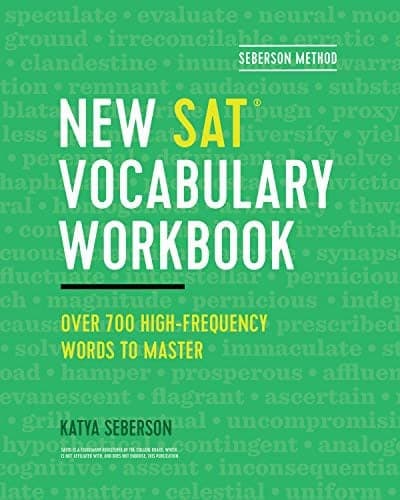
SAT Vocabulary Workbook
The closest companion to SATVocab for students who want guided lessons and written practice.
Check the workbook
To wander about without a fixed direction; to follow a winding, indirect course.
verbPick the meaning. Keys A–D work too.
Your choice schedules the next review.
If I am under the influence of alcohol while driving, I will wander aimlessly on the freeway. This is extremely dangerous, remember this: If you drink, don’t drive!
mee-AN-der
A winding path or a river bending back and forth
There are usually winding meanders in downhill mountain biking and downhill skiing. A meander is also a bend or curve in a river.
wander, roam, ramble, drift; bend, curve, serpentine
Meander describes both literal wandering (a person’s path or a river’s course) and metaphorical wandering of thought. It contrasts with more direct movement (e.g., 'go straight') and is distinct from simply 'wandering' in a purposeful sense. In geography, a 'meander' is a bend in a river.
From the proper name Meander (Maeander), a river in ancient Ionia (modern-day Turkey); from Greek Maiandros, meaning winding or winding river.
MEANDER: Make Every Avenue Nonlinear, Drift Everywhere, Remembering the winding way.
Continue in alphabetical order.
Pick any word below to jump in.
To establish or fortify a position, belief, or habit so that it becomes difficult to change; to surround or secure a position by digging trenches.
Relating to the inner nature; inborn; built-in; inherent.
Relating to or causing a radical, transformative change; introducing innovations that drastically alter a field or practice.
Related words and words with the same part of speech.
To give up completely, to desert or leave behind, or to relinquish a claim, plan, or responsibility.
To decrease in amount or intensity; to reduce or end something.
To formally end or repeal a system, practice, or institution; to officially put an end to something established.
To shorten (a text, speech, or other work) by omitting parts; to condense.
To depart secretly or flee, especially to avoid detection or arrest.
To free someone from blame or responsibility; to pardon or exonerate.
Study beyond this word
Add a workbook for repetition or the official guide for full-test context.
Vocabulary in context
The closest companion to SATVocab for students who want guided lessons and written practice.
Check the workbook
First-time test takers
Official question styles, test structure, and print practice from the College Board.
Check the official guidePaid Amazon links. As an Amazon Associate I earn from qualifying purchases.