
Vocabulary in context
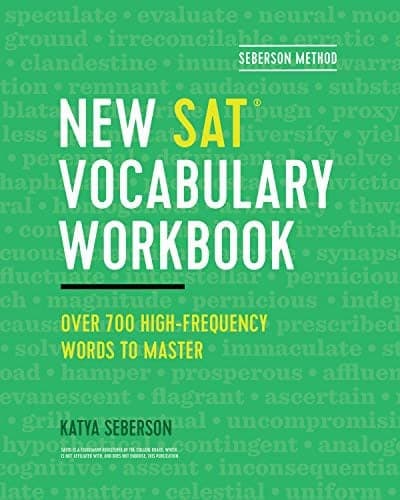
SAT Vocabulary Workbook
The closest companion to SATVocab for students who want guided lessons and written practice.
Check the workbook
To cause someone to feel dissatisfied, discontented, or irritated; to make someone look unfavorably on a situation.
verbPick the meaning. Keys A–D work too.
Your choice schedules the next review.
Imagine a once-happy employee who hears that bonuses will be cut and performance reviews will be harsher. Their smile fades, they cross their arms, and their mood shifts from cooperative to clearly disgruntled.
dɪsˈɡrʌn.təl (diss-GRUN-təl)
Resembles related terms like grumble or disgruntled; visually similar to other -untle verbs (grumble, bundle) in form.
Disgruntle is a transitive verb; its past participle form is disgruntled (adjective). The noun form disgruntlement is rare but exists.
dissatisfied, discontent, upset, irritated, resentful, irked
Do not confuse with 'disgust' or 'upset' in a stronger sense; disgruntle specifically means to cause someone to become unsettled or discontent, often through policy or management actions. More formal writing tends to use 'discontent' or 'dissatisfy' for precision.
From dis- (not) + gruntle, an obsolete verb related to grumble; the sense evolved to mean to deprive of satisfaction, i.e., make someone discontent.
Disgruntle = not gruntled (not pleased). Think: if your mood grunts with frustration and you can’t smile, you’re disgruntled.
Continue in alphabetical order.
Pick any word below to jump in.
Conforming to the law or established rules; legally valid or genuine.
Happening by chance or without deliberate planning; not intended. In music, it is also a noun for a symbol that temporarily alters a pitch.
Strong, healthy, and able to withstand stress; also thorough or well-developed in design, method, or analysis.
Related words and words with the same part of speech.
To give up completely, to desert or leave behind, or to relinquish a claim, plan, or responsibility.
To decrease in amount or intensity; to reduce or end something.
To formally end or repeal a system, practice, or institution; to officially put an end to something established.
To shorten (a text, speech, or other work) by omitting parts; to condense.
To depart secretly or flee, especially to avoid detection or arrest.
To free someone from blame or responsibility; to pardon or exonerate.
Study beyond this word
Add a workbook for repetition or the official guide for full-test context.
Vocabulary in context
The closest companion to SATVocab for students who want guided lessons and written practice.
Check the workbook
First-time test takers
Official question styles, test structure, and print practice from the College Board.
Check the official guidePaid Amazon links. As an Amazon Associate I earn from qualifying purchases.