Vocabulary in context
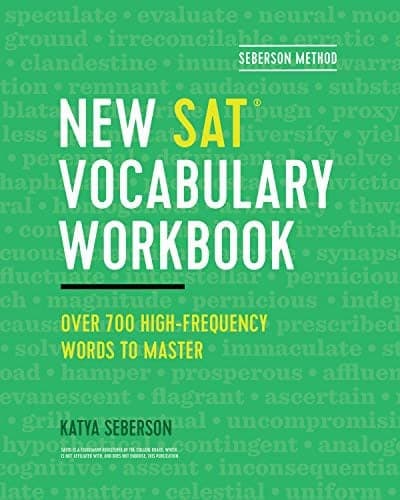
SAT Vocabulary Workbook
The closest companion to SATVocab for students who want guided lessons and written practice.
Check the workbook
Strong, healthy, and able to withstand stress; also thorough or well-developed in design, method, or analysis.
adjectivePick the meaning. Keys A–D work too.
Your choice schedules the next review.
Imagine a heavy-duty tent pitched in a raging storm that stays taut and upright, the poles bending slightly but not snapping, proving the structure is robust.
roh-BUST
A sturdy oak
Historically means hardiness and strength (from Latin robustus). In modern use, robust also describes systems, analyses, or methods that remain effective under stress or irregular conditions, such as data with outliers.
Do not confuse with 'rob' (to steal) or with 'robust' meaning 'overly aggressive' in a negative sense. Use robust to describe reliability, sturdiness, or thoroughness.
From Latin robustus 'hardy, strong', from robur 'oak, strength'.
Think 'rock-solid' to remember robust means very strong and durable.
Continue in alphabetical order.
Pick any word below to jump in.
Related words and words with the same part of speech.
Capable of enduring hardship; robust and resilient in difficult conditions.
Able to withstand or recover quickly from difficult conditions; showing toughness and adaptability.
Difficult to understand; obscure or highly complex.
Happening by chance or without deliberate planning; not intended. In music, it is also a noun for a symbol that temporarily alters a pitch.
Sharp or biting in tone or taste; caustic or mordant in manner.
Ready to agree or approve without protest; compliant.
Study beyond this word
Add a workbook for repetition or the official guide for full-test context.
Vocabulary in context
The closest companion to SATVocab for students who want guided lessons and written practice.
Check the workbook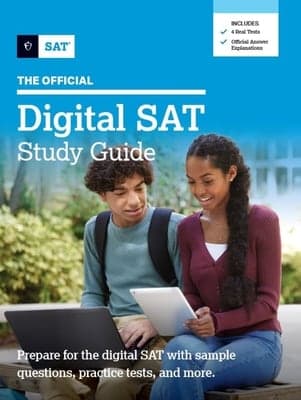
First-time test takers
Official question styles, test structure, and print practice from the College Board.
Check the official guidePaid Amazon links. As an Amazon Associate I earn from qualifying purchases.