
Vocabulary in context
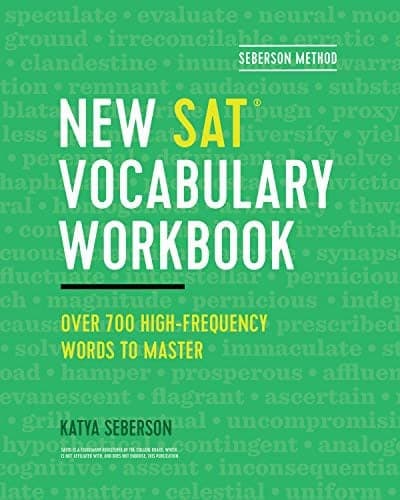
SAT Vocabulary Workbook
The closest companion to SATVocab for students who want guided lessons and written practice.
Check the workbook
A feeling of contempt or scorn for someone or something; to regard as unworthy.
noun (also verb)Pick the meaning. Keys A–D work too.
Your choice schedules the next review.
Imagine a judge who hears a peer's pitch and immediately sneers, arms crossed, and looks away as if the idea is utterly unworthy.
dih-SDAYN
resembles despise in meaning; both express contempt
Disdain is related to deign and derives from Old French desdainer, meaning to despise or scorn.
contempt, scorn, derision, look down on, sneer
Don't confuse with distain (not standard) or with despair. Disdain means to regard with contempt, not to stain or lose hope.
From Old French desdainer 'to disdain, scorn,' from des- (prefix) + 'dainer' related to Latin dignus 'worthy' (via the verb deign). The noun appears in Middle English as disdain/desdain.
Disdain = not deign: to deign is to lower oneself to acknowledge worth; disdain is the opposite—you do not deign to recognize worth.
Continue in alphabetical order.
Pick any word below to jump in.
Lasting for only a short time; short-lived.
Intuition is the ability to understand something immediately, without conscious reasoning; a gut feeling or quick, nonrational insight.
Relating to or causing a radical, transformative change; introducing innovations that drastically alter a field or practice.
Related words and words with the same part of speech.
Study beyond this word
Add a workbook for repetition or the official guide for full-test context.
Vocabulary in context
The closest companion to SATVocab for students who want guided lessons and written practice.
Check the workbook
First-time test takers
Official question styles, test structure, and print practice from the College Board.
Check the official guidePaid Amazon links. As an Amazon Associate I earn from qualifying purchases.