
Vocabulary in context
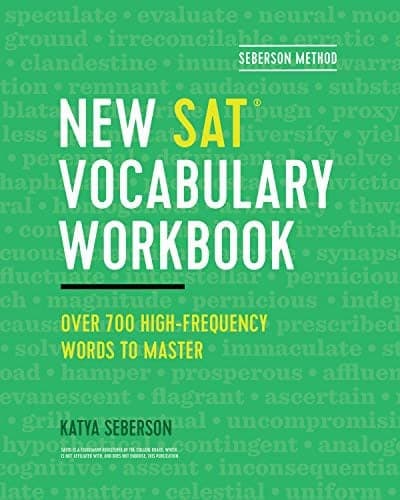
SAT Vocabulary Workbook
The closest companion to SATVocab for students who want guided lessons and written practice.
Check the workbook
A strong feeling of disrespect or disdain for someone or something deemed unworthy, or the action of showing such disrespect, especially toward a court or its proceedings.
nounPick the meaning. Keys A–D work too.
Your choice schedules the next review.
Picture a student rolling their eyes at a teacher and muttering under their breath, clearly treating the teacher's ideas as worthless. In a courtroom, imagine a person mocking the judge—an act that could be charged as contempt of court.
kun-TEMPT
Looks similar to 'content' in spelling, but opposite in meaning; contains the root idea of scorn rather than approval.
Contempt can be personal (disdain for a person) or legal (contempt of court). The legal sense is a formal charge for disrespecting the court or obstructing its proceedings.
disdain, scorn, derision, disrespect, contempt of court
Do not confuse with 'content' or with '-ible' forms like 'contemptible.' Contempt refers to disdain and disrespect, not to worth or value. The adjective form is 'contemptuous'; the adverb is 'contemptuously.'
From Latin contemptus, from contemnere 'to despise, scorn' (com- + temnere), through Old French and Middle English. The verb contemn is related in meaning and form.
Mnemonic: In court, CONTEMPT is what you feel when you condemn the conduct and withhold respect. Picture a judge declaring 'Contempt!' as a person mocks the proceedings.
Continue in alphabetical order.
Pick any word below to jump in.
Having or showing friendliness; not hostile; relating to or characterized by goodwill and a desire to avoid conflict.
To treat something sacred with disrespect; to profane or violate its sacred character.
To restore friendly relations between people or groups; to settle differences and bring something into harmony or agreement, such as reconciling accounts.
Related words and words with the same part of speech.
A feeling of contempt or scorn for someone or something; to regard as unworthy.
The act or instance of humiliating or degrading someone; the state of being lowered in dignity or status.
The quality or state of being wildly unreasonable, illogical, or ridiculous; something that is completely contrary to reason or common sense.
A distinctive way of pronouncing words; the act of emphasizing a syllable or word (as a verb, to accent means to emphasize).
An honor; a public expression of praise or an award.
Bitterness of speech or manner; ill feeling
Study beyond this word
Add a workbook for repetition or the official guide for full-test context.
Vocabulary in context
The closest companion to SATVocab for students who want guided lessons and written practice.
Check the workbook
First-time test takers
Official question styles, test structure, and print practice from the College Board.
Check the official guidePaid Amazon links. As an Amazon Associate I earn from qualifying purchases.