
Vocabulary in context
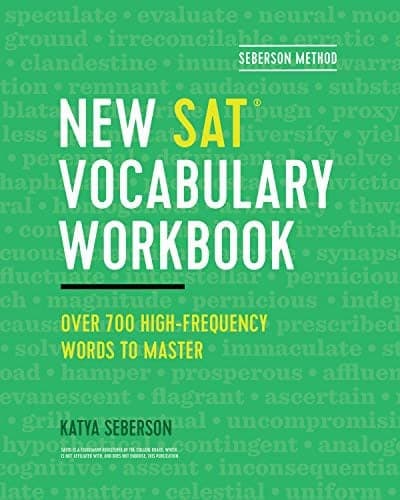
SAT Vocabulary Workbook
The closest companion to SATVocab for students who want guided lessons and written practice.
Check the workbook
To cause someone to believe something is true or to take a proposed action by presenting reasons, evidence, or appeals to emotion.
verbPick the meaning. Keys A–D work too.
Your choice schedules the next review.
Imagine a skeptical audience listening to a clear, data-driven presentation. The speaker calmly lays out facts, mirrors the audience's concerns, and slowly the crowd nods in agreement, finally saying, 'I am convinced.'
kuhn-VINS
con + vince (looks like 'con' and 'vince', as in conquer/win)
Convince shares its root with 'convict' and 'conviction,' all stemming from Latin convincere, meaning to overcome or win over. The act is to win someone over in belief.
persuade, influence, sway, win over, argue, reason
Use 'convince' with 'of' when presenting a belief as true (convince someone of something) and with 'to' when prompting action (convince someone to do something). Distinguish from 'persuade'—convince emphasizes belief, while persuade can emphasize action as well.
From Latin convincere, formed from con- (together) + vincere (to conquer, win). The sense evolved from overcoming objections to gaining belief or assent.
Vince wins people over: think of convincing as 'con' + 'vince' (to win) — you win over someone's belief with your argument.
Continue in alphabetical order.
Pick any word below to jump in.
Harmony or agreement; in music, a pleasing combination of notes sounded together.
No longer in fashion or current; outdated or no longer useful or relevant.
A preference or inclination that prevents impartial judgment; a prejudice or leaning toward or against a person, group, or idea.
Related words and words with the same part of speech.
To give up completely, to desert or leave behind, or to relinquish a claim, plan, or responsibility.
To decrease in amount or intensity; to reduce or end something.
To formally end or repeal a system, practice, or institution; to officially put an end to something established.
To shorten (a text, speech, or other work) by omitting parts; to condense.
To depart secretly or flee, especially to avoid detection or arrest.
To free someone from blame or responsibility; to pardon or exonerate.
Study beyond this word
Add a workbook for repetition or the official guide for full-test context.
Vocabulary in context
The closest companion to SATVocab for students who want guided lessons and written practice.
Check the workbook
First-time test takers
Official question styles, test structure, and print practice from the College Board.
Check the official guidePaid Amazon links. As an Amazon Associate I earn from qualifying purchases.