
Vocabulary in context
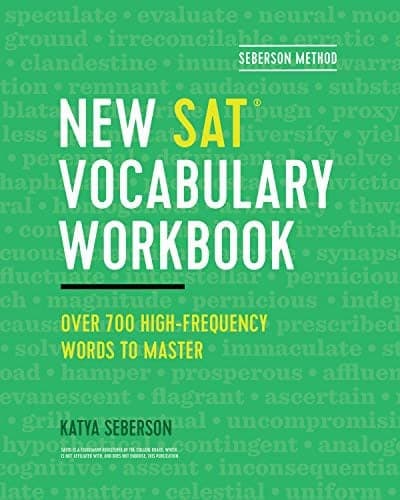
SAT Vocabulary Workbook
The closest companion to SATVocab for students who want guided lessons and written practice.
Check the workbook
To leave personal property to someone in a will; to pass on property or wealth through a testament.
verbPick the meaning. Keys A–D work too.
Your choice schedules the next review.
Picture an elderly aunt in a sunlit study, signing a will. She smiles as she bequeaths her treasured violin to her nephew, and the parchment flutteringly records this gift for generations to come.
bi-KWEETH
Be-queath (sounds like) be-quest
Bequeath is commonly used for personal property; for real estate, the term 'devise' is often used in legal contexts. Bequest is the noun form of what is left by will.
inherit, legacy, will, testament, estate, devise, heir
Bequeath refers to passing property by will; in some legal contexts, 'devise' is used for real estate. Bequeath is more commonly used for personal property. The noun form is 'bequest' or 'bequeathal'.
From Middle English bequeathen, from Old English cwæþan 'to say, utter' with the be- prefix; the sense shifted over time to mean 'to hand down by will.'
Bequeath = pass wealth by will. Remember with BE-QUEATH: think of wealth being handed down to heirs in a formal bequest.
Continue in alphabetical order.
Pick any word below to jump in.
The act of clearing someone of blame, guilt, or doubt; evidence or argument that proves a claim, action, or reputation to be right or justified.
An adjective describing something that indicates danger or disaster is about to happen.
A lively or enthusiastic quality; the state of being full of life, excitement, or high-spirited energy.
Related words and words with the same part of speech.
Something handed down from an ancestor or from the past, such as money or property left in a will, or an enduring cultural, personal, or societal influence.
To give up completely, to desert or leave behind, or to relinquish a claim, plan, or responsibility.
To decrease in amount or intensity; to reduce or end something.
To formally end or repeal a system, practice, or institution; to officially put an end to something established.
To shorten (a text, speech, or other work) by omitting parts; to condense.
To depart secretly or flee, especially to avoid detection or arrest.
Study beyond this word
Add a workbook for repetition or the official guide for full-test context.
Vocabulary in context
The closest companion to SATVocab for students who want guided lessons and written practice.
Check the workbook
First-time test takers
Official question styles, test structure, and print practice from the College Board.
Check the official guidePaid Amazon links. As an Amazon Associate I earn from qualifying purchases.