
Vocabulary in context
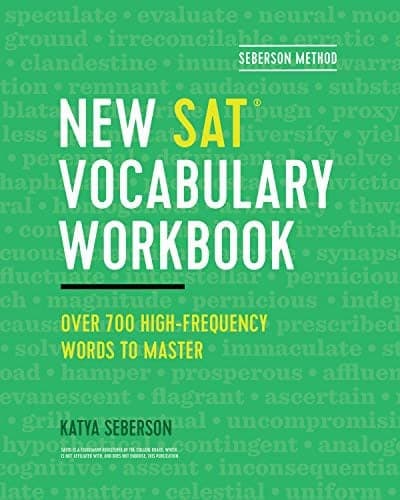
SAT Vocabulary Workbook
The closest companion to SATVocab for students who want guided lessons and written practice.
Check the workbook
Gentle and kind-hearted; harmless or not dangerous, especially in medical contexts describing non-cancerous conditions or tumors.
adjectivePick the meaning. Keys A–D work too.
Your choice schedules the next review.
Picture a calm nurse gently reassuring a patient: the doctor tells the patient that the growth is benign, meaning it is not cancerous and poses no serious threat. The scene emphasizes safety, gentleness, and reassurance.
BIH-nyn
Looks like benevolent or benign contain the same root bene- meaning good; visually resembles words with a positive meaning such as benevolent.
Benign is the opposite of malignant in medical usage. It also describes a kind, favorable character or effect, not harmful in general usage.
harmless, innocuous, benevolent, mild, favorable (prognosis)
In medicine, benign indicates not cancerous. Do not confuse with 'benign neglect,' which is a phrase describing a deliberately relaxed approach; context usually clarifies whether it means harmless or intentional neglect. Avoid using benign to describe something clearly harmful.
From Latin benignus 'kind, favorable,' formed from bene 'well' plus the suffix -gnus; entered English via Old French. The sense combines 'good' and 'not harmful.'
Be Nice = benign. The word starts with bene- (well/good) and conveys a kind, harmless sense; remember by thinking 'be nice, not harmful.'
Continue in alphabetical order.
Pick any word below to jump in.
To join together; to unite or connect two or more things into a single entity.
To suppress, extinguish, or quiet something such as a disturbance, fear, or unrest, often by use of force, authority, or calming influence.
Causing disagreement or hostility; tending to divide people into opposing camps.
Related words and words with the same part of speech.
Not harmful or offensive; harmless and unlikely to cause a reaction or injury.
Kindly disposed; well meaning and generous; charitable
Difficult to understand; obscure or highly complex.
Happening by chance or without deliberate planning; not intended. In music, it is also a noun for a symbol that temporarily alters a pitch.
Sharp or biting in tone or taste; caustic or mordant in manner.
Ready to agree or approve without protest; compliant.
Study beyond this word
Add a workbook for repetition or the official guide for full-test context.
Vocabulary in context
The closest companion to SATVocab for students who want guided lessons and written practice.
Check the workbook
First-time test takers
Official question styles, test structure, and print practice from the College Board.
Check the official guidePaid Amazon links. As an Amazon Associate I earn from qualifying purchases.