Vocabulary in context
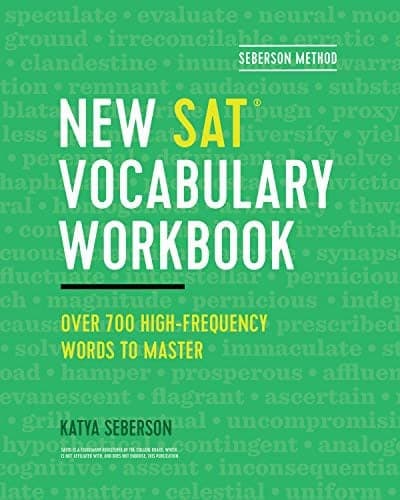
SAT Vocabulary Workbook
The closest companion to SATVocab for students who want guided lessons and written practice.
Check the workbook
Not harmful or offensive; harmless and unlikely to cause a reaction or injury.
adjectivePick the meaning. Keys A–D work too.
Your choice schedules the next review.
Picture a small, friendly insect that lands on your hand and simply rests there with no bite or sting, proving it is innocuous.
ih-NOK-yoo-uhs
Looks like the word 'innocent' in spelling, hinting at a harmless meaning.
Etymology connects to innocence: innocuous comes from Latin innocuus meaning not harmful, related to but distinct from 'innocent.'
harmless, benign, safe, inoffensive, nonharmful
Common pitfall: do not confuse with 'innocent' (free from guilt) or with 'noxious' (harmful). Innocuous often describes things that are safe or inoffensive, not dangerous or provocative.
From Latin innocuus meaning not harmful, formed from in- 'not' + nocuus 'harmful'.
IN-NO-HARM-ous: read as 'in no harm,' reminding you that innocuous means not harmful.
Continue in alphabetical order.
Pick any word below to jump in.
Related words and words with the same part of speech.
Gentle and kind-hearted; harmless or not dangerous, especially in medical contexts describing non-cancerous conditions or tumors.
Difficult to understand; obscure or highly complex.
Happening by chance or without deliberate planning; not intended. In music, it is also a noun for a symbol that temporarily alters a pitch.
Sharp or biting in tone or taste; caustic or mordant in manner.
Ready to agree or approve without protest; compliant.
Rigid in opinion or purpose; not willing to change one's mind or position.
Study beyond this word
Add a workbook for repetition or the official guide for full-test context.
Vocabulary in context
The closest companion to SATVocab for students who want guided lessons and written practice.
Check the workbook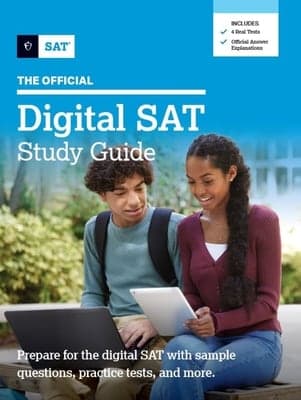
First-time test takers
Official question styles, test structure, and print practice from the College Board.
Check the official guidePaid Amazon links. As an Amazon Associate I earn from qualifying purchases.