
Vocabulary in context
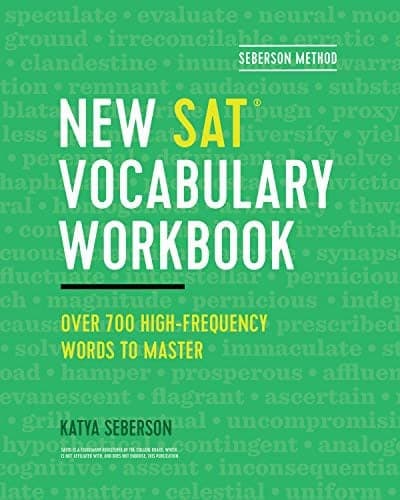
SAT Vocabulary Workbook
The closest companion to SATVocab for students who want guided lessons and written practice.
Check the workbook
Showing regret for having done something wrong; expressing apology or remorse.
adjectivePick the meaning. Keys A–D work too.
Your choice schedules the next review.
Imagine someone accidentally spilling coffee on a friend's shirt, pausing, and speaking in a soft, sincere tone: 'I’m really sorry about that. Let me help clean this up.'
uh-pol-uh-JET-ik
Looks like the word apology; shares the same root and conveys a remorseful or defensive context.
Apologetic relates to apology and implies a mood or attitude of regret or willingness to make amends.
remorse, contrite, regretful, apology, apologize
Do not confuse with 'apologist' (a defender of a belief) or with 'apology' (the noun for the act or expression of regret). Apologetic describes how one feels or acts, not the defense of a position.
From late Latin apologeticus, from Greek apologia 'a speech in defense,' via medieval French apologétique and English development; the sense shifted from defense to a display of remorse or apology.
Mnemonic: Apology + -etic = full of apology. If you’re apologetic, you’re always ready with a sincere apology.
Continue in alphabetical order.
Pick any word below to jump in.
Very complicated or detailed; having many interrelated parts.
serving to indicate or point out something; in grammar, relating to how words like this, that, these, and those modify or replace nouns; also used to describe a person who openly expresses emotions
To hide from view or keep secret; to prevent others from discovering or noticing something.
Related words and words with the same part of speech.
Feeling remorse or sorrow for wrongdoing; deeply sorry and eager to make amends.
Difficult to understand; obscure or highly complex.
Happening by chance or without deliberate planning; not intended. In music, it is also a noun for a symbol that temporarily alters a pitch.
Sharp or biting in tone or taste; caustic or mordant in manner.
Ready to agree or approve without protest; compliant.
Rigid in opinion or purpose; not willing to change one's mind or position.
Study beyond this word
Add a workbook for repetition or the official guide for full-test context.
Vocabulary in context
The closest companion to SATVocab for students who want guided lessons and written practice.
Check the workbook
First-time test takers
Official question styles, test structure, and print practice from the College Board.
Check the official guidePaid Amazon links. As an Amazon Associate I earn from qualifying purchases.