
Vocabulary in context
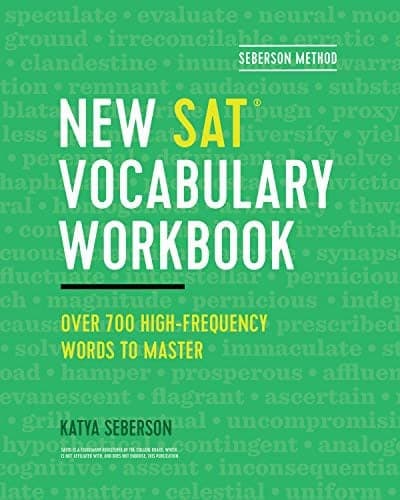
SAT Vocabulary Workbook
The closest companion to SATVocab for students who want guided lessons and written practice.
Check the workbook
Calm, pacify
verbPick the meaning. Keys A–D work too.
Your choice schedules the next review.
When World War II ended, peace brought calmness to all the cities and towns in Europe.
uh-PEEZ
a peace
Appease is often used to describe attempts to soothe anger or demands through concessions; the noun form is appeasement, frequently discussed in political or historical contexts.
Appease implies concessions or actions intended to quiet someone or a situation, not necessarily to resolve underlying issues. It can carry a nuance of temporarily calming rather than permanently solving a problem. Distinguish from pacify, which can imply restoring order, sometimes by force or coercion.
From Old French apaisier 'to appease', from Latin pacāre 'to pacify', from pax, pacis 'peace'.
APPEASE = A PEACE. Remember that to appease is to bring about peace by calming or satisfying someone.
Continue in alphabetical order.
Pick any word below to jump in.
Related words and words with the same part of speech.
To calm or appease someone who is angry or upset.
To calm or soothe, especially by appeasing or softening someone's anger or emotions; to make something less severe or painful.
To give up completely, to desert or leave behind, or to relinquish a claim, plan, or responsibility.
To decrease in amount or intensity; to reduce or end something.
To formally end or repeal a system, practice, or institution; to officially put an end to something established.
To shorten (a text, speech, or other work) by omitting parts; to condense.
Study beyond this word
Add a workbook for repetition or the official guide for full-test context.
Vocabulary in context
The closest companion to SATVocab for students who want guided lessons and written practice.
Check the workbook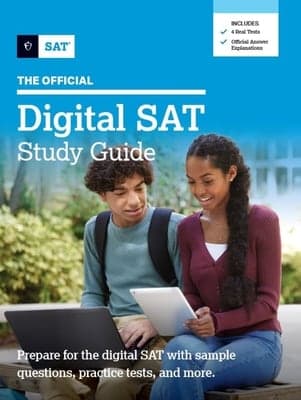
First-time test takers
Official question styles, test structure, and print practice from the College Board.
Check the official guidePaid Amazon links. As an Amazon Associate I earn from qualifying purchases.