
Vocabulary in context
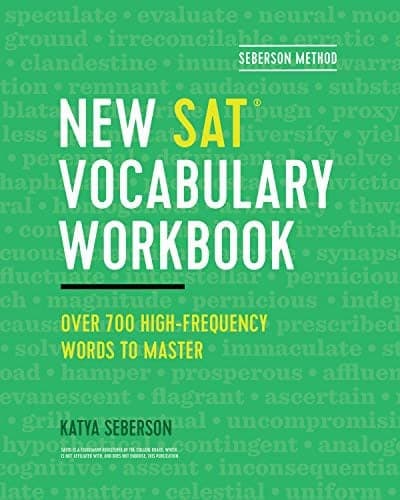
SAT Vocabulary Workbook
The closest companion to SATVocab for students who want guided lessons and written practice.
Check the workbook
serving to indicate or point out something; in grammar, relating to how words like this, that, these, and those modify or replace nouns; also used to describe a person who openly expresses emotions
adjectivePick the meaning. Keys A–D work too.
Your choice schedules the next review.
Imagine a teacher at the front of the room. She holds up three objects and points to each one saying, 'This, that, these'—each pointing gesture demonstrates exactly which item she means.
/ˌdɛmənˈstreɪtɪv/
this, that, these, those (demonstrative determiners/pronouns) and the concept of pointing or showing
Derived from the idea of demonstration—showing or pointing out. It also connects to the nouns 'demonstration' and the verb 'demonstrate.'
demonstrate, demonstration, demonstrative pronoun, demonstrative adjective, this, that, these, those, pointing, indication
As an adjective, it precedes a noun (a demonstrative adjective) or stands with a linking verb when used as a predicate adjective. When used as a noun, it can refer to a demonstrative determiner or pronoun (e.g., 'these' or 'that'). Distinguish from 'demonstrate' (verb) and 'demonstration' (noun).
From Latin demonstrativus 'showing, pointing out' from demonstrare 'to point out, show'.
DEMO-onstrative: a 'demo' in class where you point things out to show exactly what you mean; a demonstrative word literally demonstrates.
Continue in alphabetical order.
Pick any word below to jump in.
Absolutely necessary; essential; cannot be done without.
To strengthen or support something by adding resources, evidence, or encouragement; to make an argument, structure, or system more robust.
Conforming to the law or established rules; legally valid or genuine.
Related words and words with the same part of speech.
Difficult to understand; obscure or highly complex.
Happening by chance or without deliberate planning; not intended. In music, it is also a noun for a symbol that temporarily alters a pitch.
Sharp or biting in tone or taste; caustic or mordant in manner.
Ready to agree or approve without protest; compliant.
Rigid in opinion or purpose; not willing to change one's mind or position.
Having or showing a high level of skill or proficiency; very capable.
Study beyond this word
Add a workbook for repetition or the official guide for full-test context.
Vocabulary in context
The closest companion to SATVocab for students who want guided lessons and written practice.
Check the workbook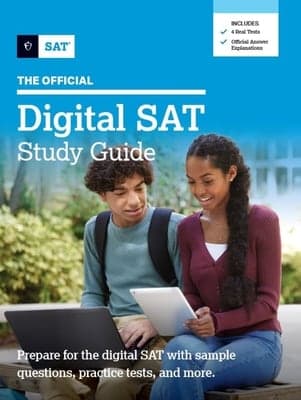
First-time test takers
Official question styles, test structure, and print practice from the College Board.
Check the official guidePaid Amazon links. As an Amazon Associate I earn from qualifying purchases.