
Vocabulary in context
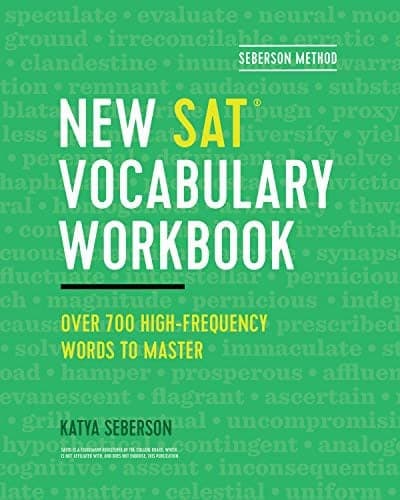
SAT Vocabulary Workbook
The closest companion to SATVocab for students who want guided lessons and written practice.
Check the workbook
To rescue or recover something from loss, damage, or ruin, or to reclaim usable material from discarded or damaged items.
verbPick the meaning. Keys A–D work too.
Your choice schedules the next review.
Picture divers underwater, pulling crates of copper and dishes from a sunken merchant ship and loading them onto a recovery boat to save valuables from the wreck.
Pronounced SAL-vij (the 'g' sounds like a soft 'j')
Looks like 'savage' with an extra 'l'
Salvage comes from the Latin salvare, meaning 'to save.' In maritime law, salvage rights determine ownership of recovered property.
rescue, recover, retrieve, reclaim, salvage operation
Use salvage as a verb (to save/recover) or a noun (the saved items or act of salvaging). Distinguish from 'save' in everyday use and from 'salve' (a cream) which is unrelated. In legal contexts, 'salvage rights' can have specific meanings regarding compensation for recovering property.
From Old French salvage, from Latin salvare 'to save'; related to saving and safety concepts.
SALVAGE: Save All Lost Valuables And Goods Endure
Continue in alphabetical order.
Pick any word below to jump in.
A beggar; a person who lives by begging, often associated with religious orders that rely on alms.
Richly ornamented or colored; elaborately decorative; also reddened in the face.
A young or inexperienced person; someone who is new to a field or activity and lacks experience.
Related words and words with the same part of speech.
To give up completely, to desert or leave behind, or to relinquish a claim, plan, or responsibility.
To decrease in amount or intensity; to reduce or end something.
To formally end or repeal a system, practice, or institution; to officially put an end to something established.
To shorten (a text, speech, or other work) by omitting parts; to condense.
To depart secretly or flee, especially to avoid detection or arrest.
To free someone from blame or responsibility; to pardon or exonerate.
Study beyond this word
Add a workbook for repetition or the official guide for full-test context.
Vocabulary in context
The closest companion to SATVocab for students who want guided lessons and written practice.
Check the workbook
First-time test takers
Official question styles, test structure, and print practice from the College Board.
Check the official guidePaid Amazon links. As an Amazon Associate I earn from qualifying purchases.