
Vocabulary in context
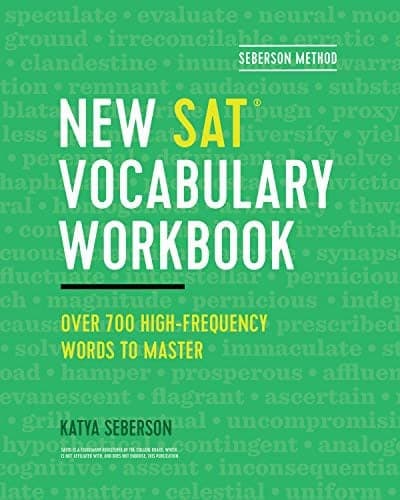
SAT Vocabulary Workbook
The closest companion to SATVocab for students who want guided lessons and written practice.
Check the workbook
Traditional; conforming to established beliefs or practices, especially in religion or academia.
adjectivePick the meaning. Keys A–D work too.
Your choice schedules the next review.
Picture a small town where every festival, school rule, and sermon sticks to the oldest, most accepted customs. When someone suggests a new idea, the elders politely but firmly say, 'We keep things orthodox here.'
OR-thuh-doks
Ortho- + dox; resembles related terms like orthodoxy and orthodontist, sharing the root ortho- meaning straight or correct.
The prefix ortho- means straight or correct, and doxa means belief or opinion. Orthodox can refer to mainstream beliefs in general or to Eastern Orthodox Christianity when capitalized.
traditional, conventional, canonical, conformist, mainstream
Do not confuse with unorthodox (not traditional) or with orthopedic (relating to bones). When capitalized as Orthodox, it often denotes the Eastern Orthodox Church.
From Greek orthos 'right, straight' + doxa 'belief, opinion' — literally 'right belief'.
Mnemonic: ORTHO means straight (as in orthodontist); DOX means belief. Therefore orthodox = straight beliefs.
Continue in alphabetical order.
Pick any word below to jump in.
Bold, disrespectful impudence or attitude toward someone, especially toward authority.
To express strong disapproval of (someone or something); to condemn or rebuke, typically in a formal or official manner.
A union or combination of groups or parties for a common purpose; a temporary alliance.
Related words and words with the same part of speech.
Based on or in accordance with what is generally done or believed; traditional or ordinary rather than new or experimental.
Difficult to understand; obscure or highly complex.
Happening by chance or without deliberate planning; not intended. In music, it is also a noun for a symbol that temporarily alters a pitch.
Sharp or biting in tone or taste; caustic or mordant in manner.
Ready to agree or approve without protest; compliant.
Rigid in opinion or purpose; not willing to change one's mind or position.
Study beyond this word
Add a workbook for repetition or the official guide for full-test context.
Vocabulary in context
The closest companion to SATVocab for students who want guided lessons and written practice.
Check the workbook
First-time test takers
Official question styles, test structure, and print practice from the College Board.
Check the official guidePaid Amazon links. As an Amazon Associate I earn from qualifying purchases.