
Vocabulary in context
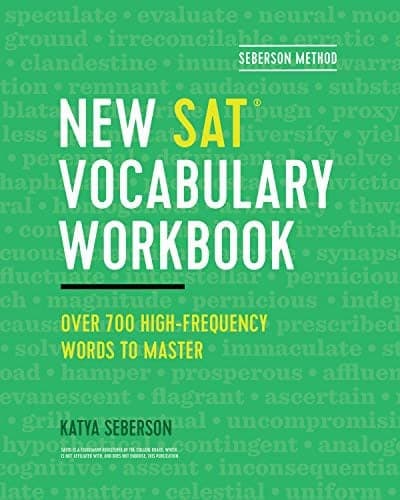
SAT Vocabulary Workbook
The closest companion to SATVocab for students who want guided lessons and written practice.
Check the workbook
Longing for the past; feeling sentimental about things that happened earlier, often with a hint of sadness.
adjectivePick the meaning. Keys A–D work too.
Your choice schedules the next review.
An old grandmother sits in her rocking chair on the front porch and wonders how her life would have been if there had never been a tragic plane crash that killed all her relatives.
noh-STAL-jik
nostalgia (similar root and spelling)
Nostalgic describes a feeling or mood; the noun form is nostalgia. The root idea is longing for a past time, not just fond memory.
nostalgia, reminiscence, wistfulness, sentimental, longing
Nostalgic does not mean the present is bad; it often implies sentimental longing with mixed emotions. Be careful not to use it to describe a simple fond memory without wistfulness.
From Greek nostos 'return home' and algos 'pain', via Latin/French development; the adjective nostalgic derives from the noun nostalgia.
NOSTALGIC: Nostos (return home) + -algia (pain) — the pain of returning home in memory; think 'nostalgia' as longing for a past home.
Continue in alphabetical order.
Pick any word below to jump in.
Producing wealth; financially rewarding; yielding a great deal of profit.
Lacking the necessary quality, quantity, or ability to meet a purpose; not sufficient or suitable.
Noun: refined skill, tact, or diplomacy in handling a situation; Verb: to handle or achieve something with such skill or by clever, delicate maneuvering.
Related words and words with the same part of speech.
A personal memory or the act of recalling past experiences, often with nostalgia.
Difficult to understand; obscure or highly complex.
Happening by chance or without deliberate planning; not intended. In music, it is also a noun for a symbol that temporarily alters a pitch.
Sharp or biting in tone or taste; caustic or mordant in manner.
Ready to agree or approve without protest; compliant.
Rigid in opinion or purpose; not willing to change one's mind or position.
Study beyond this word
Add a workbook for repetition or the official guide for full-test context.
Vocabulary in context
The closest companion to SATVocab for students who want guided lessons and written practice.
Check the workbook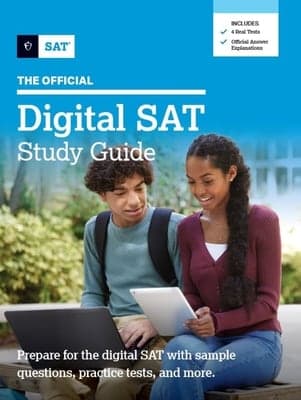
First-time test takers
Official question styles, test structure, and print practice from the College Board.
Check the official guidePaid Amazon links. As an Amazon Associate I earn from qualifying purchases.