
Vocabulary in context
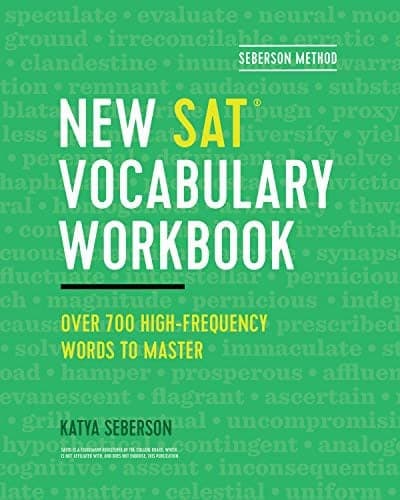
SAT Vocabulary Workbook
The closest companion to SATVocab for students who want guided lessons and written practice.
Check the workbook
Having or showing creativity and originality in thinking; able to imagine new ideas, scenarios, or solutions.
adjectivePick the meaning. Keys A–D work too.
Your choice schedules the next review.
Imagine a child turning a plain cardboard box into a rocket ship, with starry windows and a crew of talking robots, writing down adventures in a notebook as they travel to imaginative galaxies.
Pronunciation: ih-MAJ-uh-nuh-tiv
Looks like imagine + -ative; visually resembles image or imagination.
Imaginative comes from imagination and shares roots with image and imagine; it describes creative thought or work, not something that is real. Distinguish from imaginary (not real).
creative, inventive, original, visionary, fantastical
Use imaginative to describe people, works, or approaches that are creatively original. It often accompanies nouns like 'imaginative solution' or 'imaginative storyteller.' Avoid implying impracticality unless that is your intention; consider context to convey feasibility.
From Latin imaginativus 'of imagining or forming an image,' from imaginare 'to form a mental image' from imago 'image'.
Imagine + -ative: the root is imagine; remember that someone who is imaginative is actively imagining and making images in their mind.
Continue in alphabetical order.
Pick any word below to jump in.
Describing something that is hazy, vague, or not clearly defined; lacking definite shape or detail.
To hold someone closely in your arms as a sign of affection; to welcome, accept, or adopt something (such as an idea, change, or opportunity) with enthusiasm.
A preference or inclination that prevents impartial judgment; a prejudice or leaning toward or against a person, group, or idea.
Related words and words with the same part of speech.
Difficult to understand; obscure or highly complex.
Happening by chance or without deliberate planning; not intended. In music, it is also a noun for a symbol that temporarily alters a pitch.
Sharp or biting in tone or taste; caustic or mordant in manner.
Ready to agree or approve without protest; compliant.
Rigid in opinion or purpose; not willing to change one's mind or position.
Having or showing a high level of skill or proficiency; very capable.
Study beyond this word
Add a workbook for repetition or the official guide for full-test context.
Vocabulary in context
The closest companion to SATVocab for students who want guided lessons and written practice.
Check the workbook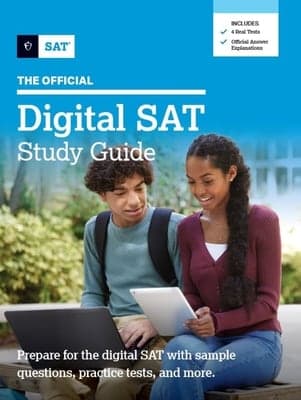
First-time test takers
Official question styles, test structure, and print practice from the College Board.
Check the official guidePaid Amazon links. As an Amazon Associate I earn from qualifying purchases.