
Vocabulary in context
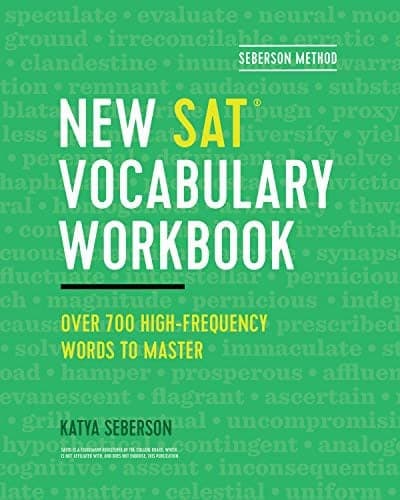
SAT Vocabulary Workbook
The closest companion to SATVocab for students who want guided lessons and written practice.
Check the workbook
To give someone greater knowledge, understanding, or insight about a subject; to illuminate or clarify.
verbPick the meaning. Keys A–D work too.
Your choice schedules the next review.
Imagine a fog of ignorance hovering over a classroom. A patient mentor raises a bright lantern, and the light pours over the chalkboard, making complex ideas clear and visible to every student.
/ɛnˈlaɪtən/ (en-LY-tən)
Contains the word 'light' inside (enLIGHTen).
Enlighten means mental illumination, not physical lighting. The word shares its root with 'light' and with the historical term Enlightenment, which emphasized reason and knowledge.
illuminate, inform, educate, edify, instruct
Enlighten is transitive: you enlighten someone about something. It is not used to describe changing mood or lighting physically. Compare with illuminate (more literal light) and inform/educate (focus on knowledge).
From Middle English enlightenen, from Old English inlihtan, literally 'to bring light into' (in- + light). The word shares a root with 'light' and with the noun 'enlightenment' (the historical movement valuing reason and knowledge).
EN-LIGHT-EN: Remember that to enlighten is to turn on the light in someone's mind; the word literally contains 'light' inside it.
Continue in alphabetical order.
Pick any word below to jump in.
A formal speech or piece of writing that praises someone, typically delivered at a funeral or memorial service.
Not able to be changed; unchanging over time; fixed and permanent.
Foolishly sentimental; excessively or sickeningly sentimental to the point of being affectation.
Related words and words with the same part of speech.
To give up completely, to desert or leave behind, or to relinquish a claim, plan, or responsibility.
To decrease in amount or intensity; to reduce or end something.
To formally end or repeal a system, practice, or institution; to officially put an end to something established.
To shorten (a text, speech, or other work) by omitting parts; to condense.
To depart secretly or flee, especially to avoid detection or arrest.
To free someone from blame or responsibility; to pardon or exonerate.
Study beyond this word
Add a workbook for repetition or the official guide for full-test context.
Vocabulary in context
The closest companion to SATVocab for students who want guided lessons and written practice.
Check the workbook
First-time test takers
Official question styles, test structure, and print practice from the College Board.
Check the official guidePaid Amazon links. As an Amazon Associate I earn from qualifying purchases.