
Vocabulary in context
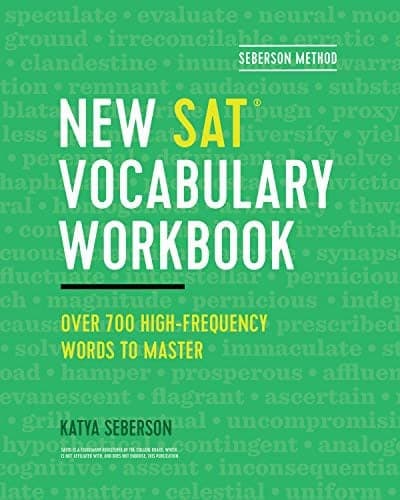
SAT Vocabulary Workbook
The closest companion to SATVocab for students who want guided lessons and written practice.
Check the workbook
To interrupt the normal course or functioning of something; to interfere with or upset someone or something.
verbPick the meaning. Keys A–D work too.
Your choice schedules the next review.
Imagine you're studying in a quiet library and a phone suddenly rings, shattering the silence and disturbing your concentration.
dih-STURB
looks like related terms such as disturbance or disturbing; shares the root turb- meaning to agitate
Disturb is commonly used with sleep, concentration, peace, or the smooth running of an activity. A common legal phrase is disturb the peace.
interrupt, disrupt, upset, unsettled, interfere with, disturbance, turbulence
Disturb is transitive and usually takes an object (someone or something): 'disturb someone', 'disturb the sleep', 'disturb the meeting'. Do not confuse with similar-sounding words like 'distinguish' or 'distaste'. In phrases like 'disturb the peace', it takes on a formal, often legal meaning.
From Latin disturbare, dis- ('apart') + turbare ('to agitate'); related to turb- in turbulent, turbulence, disturbance. The sense is to throw into disorder or agitation.
Dis TURB: Disturb means to introduce turbulence into a calm situation; remember by thinking: when you disturb something, you stir up TURBulence.
Continue in alphabetical order.
Pick any word below to jump in.
The quality of being new, original, or unusual; something new and interesting, such as a small, inexpensive item designed to attract attention.
To grow together; unite into one body
A blessing or good wishes spoken aloud, especially at the end of a religious service.
Related words and words with the same part of speech.
To give up completely, to desert or leave behind, or to relinquish a claim, plan, or responsibility.
To decrease in amount or intensity; to reduce or end something.
To formally end or repeal a system, practice, or institution; to officially put an end to something established.
To shorten (a text, speech, or other work) by omitting parts; to condense.
To depart secretly or flee, especially to avoid detection or arrest.
To free someone from blame or responsibility; to pardon or exonerate.
Study beyond this word
Add a workbook for repetition or the official guide for full-test context.
Vocabulary in context
The closest companion to SATVocab for students who want guided lessons and written practice.
Check the workbook
First-time test takers
Official question styles, test structure, and print practice from the College Board.
Check the official guidePaid Amazon links. As an Amazon Associate I earn from qualifying purchases.