
Vocabulary in context
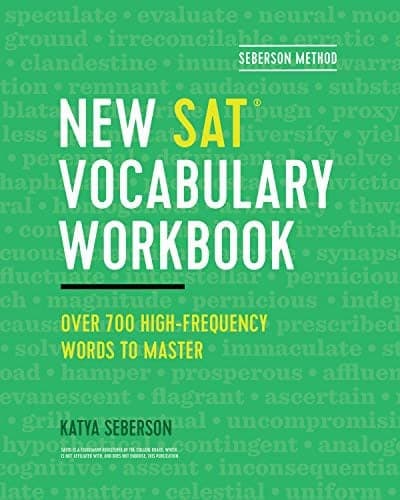
SAT Vocabulary Workbook
The closest companion to SATVocab for students who want guided lessons and written practice.
Check the workbook
To cause someone to feel disgust or weariness from an excess of sweetness, richness, or sentiment; to weary by overabundance.
verbPick the meaning. Keys A–D work too.
Your choice schedules the next review.
Imagine biting into a cake whose layers are so rich and sugary that after a few bites your mouth and senses feel overwhelmed; the sweetness cloys your palate and you no longer enjoy the dessert.
kloy (rhymes with 'ploy' or 'boy')
Ends with -oy; visually resembles other short, monosyllabic words like 'joy' or 'ploy'.
Cloy often describes something that becomes excessively sweet, rich, or sentimental to the point of turning you off; the related adjective is cloying.
sicken, nauseate, weary, surfeit, overly sentimental, fatigue
Use cloy to describe something that overdoes sweetness, richness, or sentiment, causing discomfort or fatigue. Do not confuse with milder flavors or pleasant sweetness.
From Middle English cloyen, of uncertain origin; likely related to Old French cloïer/cloyer meaning to clog, stuff, or fill, reflecting the sense of excessive fullness that becomes unpleasant.
Mnemonic: Cloy = Close Your Appetite. When something is cloying, it is so sweet or sentimental that it makes you want to close your appetite and stop wanting more.
Continue in alphabetical order.
Pick any word below to jump in.
A duty or commitment; something you are bound to do, whether by law, contract, or moral principle.
A beggar; a person who lives by begging, often associated with religious orders that rely on alms.
A dangerous, difficult, or precarious situation; as a verb, to pledge or promise (often one's troth).
Related words and words with the same part of speech.
To give up completely, to desert or leave behind, or to relinquish a claim, plan, or responsibility.
To decrease in amount or intensity; to reduce or end something.
To formally end or repeal a system, practice, or institution; to officially put an end to something established.
To shorten (a text, speech, or other work) by omitting parts; to condense.
To depart secretly or flee, especially to avoid detection or arrest.
To free someone from blame or responsibility; to pardon or exonerate.
Study beyond this word
Add a workbook for repetition or the official guide for full-test context.
Vocabulary in context
The closest companion to SATVocab for students who want guided lessons and written practice.
Check the workbook
First-time test takers
Official question styles, test structure, and print practice from the College Board.
Check the official guidePaid Amazon links. As an Amazon Associate I earn from qualifying purchases.