
Vocabulary in context
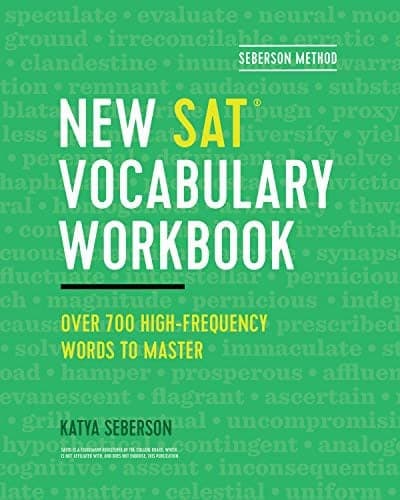
SAT Vocabulary Workbook
The closest companion to SATVocab for students who want guided lessons and written practice.
Check the workbook
To deceive or mislead by charm; to enchant or attract, often with the intention to deceive; also to pass time pleasantly.
verbPick the meaning. Keys A–D work too.
Your choice schedules the next review.
There was a charming but deceiving tourist guide who persuaded the tourists to pay the tips upfront, and she disappeared with the money shortly after.
bih-GYL
Be guide
Be- is a prefix meaning to cause to be, to surround, or to intensify. It appears in words like befriend, become, and beguile. The base word guile means deceit or cunning.
Guile → Deceit; trickery; cunning
Do not confuse beguile with beguine (a historical dance). Also note that beguile can carry a positive sense of charm, but the typical SAT usage emphasizes deception or trickery.
From Middle English beguilen, formed with be- (a prefix meaning 'around' or 'thoroughly' or to cause to be) + guile (deceit). The noun guile derives from Old French guile, related to deceit; the combination historically means to cause someone to be deceived through charm.
Mnemonic: BE GUILE — imagine a bearded guide who uses guile to charm and distract you; the word literally shows 'be' + 'guile' (deceit).
Continue in alphabetical order.
Pick any word below to jump in.
Noun: refined skill, tact, or diplomacy in handling a situation; Verb: to handle or achieve something with such skill or by clever, delicate maneuvering.
Very particular about details; meticulous to the point of being hard to please.
Of only average quality; not particularly good or bad; ordinary.
Related words and words with the same part of speech.
To give up completely, to desert or leave behind, or to relinquish a claim, plan, or responsibility.
To decrease in amount or intensity; to reduce or end something.
To formally end or repeal a system, practice, or institution; to officially put an end to something established.
To shorten (a text, speech, or other work) by omitting parts; to condense.
To depart secretly or flee, especially to avoid detection or arrest.
To free someone from blame or responsibility; to pardon or exonerate.
Study beyond this word
Add a workbook for repetition or the official guide for full-test context.
Vocabulary in context
The closest companion to SATVocab for students who want guided lessons and written practice.
Check the workbook
First-time test takers
Official question styles, test structure, and print practice from the College Board.
Check the official guidePaid Amazon links. As an Amazon Associate I earn from qualifying purchases.