
Vocabulary in context
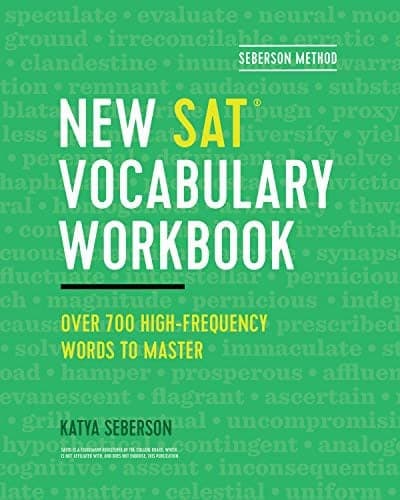
SAT Vocabulary Workbook
The closest companion to SATVocab for students who want guided lessons and written practice.
Check the workbook
To fill with wonder or surprise; to astonish greatly or shock someone.
verbPick the meaning. Keys A–D work too.
Your choice schedules the next review.
Imagine hearing jaw-dropping news or watching a magic trick so unbelievable that your mouth falls open and you stand speechless in awe.
uh-STAWND
astonish
Astound implies a strong, overwhelming sense of surprise or shock—stronger than simply 'amaze' or 'astonish' in many contexts.
astonish, amaze, surprise, stun, shock
Astound is transitive (it acts on a person or group: 'The performance astounded the crowd.'). The past participle form 'astounded' is common in passive or adjectival use (e.g., 'They were astounded by the result.'). Do not confuse with the archaic or less-used 'stound' on its own.
From Middle English astounden, formed with the prefix a- (to) and stound (a sudden shock or blow; a moment of astonishment). First used in the 14th century to mean to strike with a sudden surprise.
Mnemonic: A-stunned — think of 'a-stunned' as being struck with a sudden shock; when something astounds you, you are literally a-stunned.
Continue in alphabetical order.
Pick any word below to jump in.
A strong, biased supporter of a party or cause; as an adjective, describing biased, one-sided allegiance to a party or faction.
An honor; a public expression of praise or an award.
Higher in rank, quality, or value; better than others; outstanding or first-rate.
Related words and words with the same part of speech.
To give up completely, to desert or leave behind, or to relinquish a claim, plan, or responsibility.
To decrease in amount or intensity; to reduce or end something.
To formally end or repeal a system, practice, or institution; to officially put an end to something established.
To shorten (a text, speech, or other work) by omitting parts; to condense.
To depart secretly or flee, especially to avoid detection or arrest.
To free someone from blame or responsibility; to pardon or exonerate.
Study beyond this word
Add a workbook for repetition or the official guide for full-test context.
Vocabulary in context
The closest companion to SATVocab for students who want guided lessons and written practice.
Check the workbook
First-time test takers
Official question styles, test structure, and print practice from the College Board.
Check the official guidePaid Amazon links. As an Amazon Associate I earn from qualifying purchases.