
Vocabulary in context
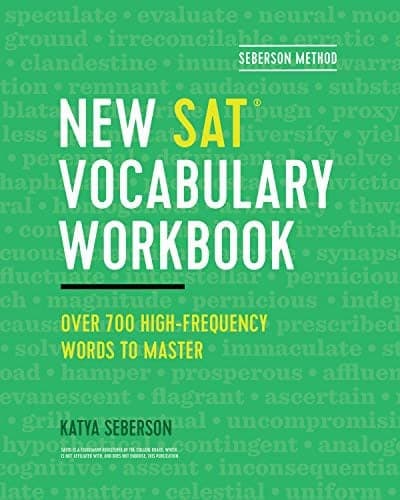
SAT Vocabulary Workbook
The closest companion to SATVocab for students who want guided lessons and written practice.
Check the workbook
The state of having two opposing feelings or attitudes at the same time; simultaneous contradictory feelings about a person, thing, or idea.
nounPick the meaning. Keys A–D work too.
Your choice schedules the next review.
The ambulance driver stops at the intersection, wondering which is the quickest way to the site of the accident.
am-bih-VAL-uhns
Ambi_valence
Ambi- means both; valence comes from Latin valēre meaning to be strong or to be worth, and in ambivalence it signals holding two competing values or feelings.
conflict, indecision, doubt, mixed feelings, hesitation
Note the difference between ambivalence (having mixed feelings) and ambiguity (unclear meaning). Ambivalence often relates to decisions or attitudes, while ambiguity concerns unclear information.
From French ambivalence, from Latin ambivalent- (present participle of ambivalere) literally 'being on both sides,' from ambi- 'both' + valēns 'strong' (from valere 'to be strong, to be worth').
Two values, two vibes: ambivalence = ambi- (both) + valence (value/feeling); remember it as two values at once.
Continue in alphabetical order.
Pick any word below to jump in.
Easily bent or flexed; willing to yield or adapt to others' wishes or conditions.
Unpredictable; given to sudden, unaccountable changes in mood or behavior.
Relating to a gene or trait that is masked by a dominant allele and expressed only when two recessive alleles are present.
Related words and words with the same part of speech.
The act or instance of humiliating or degrading someone; the state of being lowered in dignity or status.
The quality or state of being wildly unreasonable, illogical, or ridiculous; something that is completely contrary to reason or common sense.
A distinctive way of pronouncing words; the act of emphasizing a syllable or word (as a verb, to accent means to emphasize).
An honor; a public expression of praise or an award.
Bitterness of speech or manner; ill feeling
A word formed from the initial letters of a phrase, pronounced as a single word and used as a shorthand for the full name (for example, NASA or radar).
Study beyond this word
Add a workbook for repetition or the official guide for full-test context.
Vocabulary in context
The closest companion to SATVocab for students who want guided lessons and written practice.
Check the workbook
First-time test takers
Official question styles, test structure, and print practice from the College Board.
Check the official guidePaid Amazon links. As an Amazon Associate I earn from qualifying purchases.