
Vocabulary in context
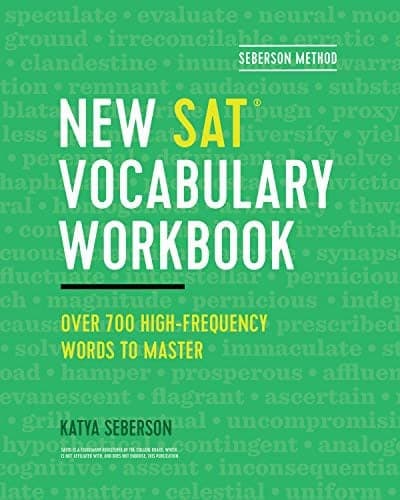
SAT Vocabulary Workbook
The closest companion to SATVocab for students who want guided lessons and written practice.
Check the workbook
To approach and speak to someone in a bold, often aggressive or unwelcome manner.
verbPick the meaning. Keys A–D work too.
Your choice schedules the next review.
Imagine you’re walking down a quiet street and a stranger steps directly into your path, leaning in and loudly asking for money or demanding your attention. The interruption feels invasive and aggressive.
uh-KOST
looks like 'a cost' — the word visually contains 'cost' and suggests entering someone’s space
Accost typically carries a negative, confrontational nuance. It is not used for polite or friendly greetings; use terms like 'approach' or 'greet' when the interaction is courteous.
confront, waylay, harass, approach aggressively
Common mistakes: don’t use accost to describe a casual conversation. It implies pressure, intrusion, or hostility. Often used in reporting or narration to convey a threatening or pushy interaction.
From Middle French accoster, meaning to come near or bring to, originally used in nautical contexts; the sense broadened to include bold or aggressive verbal approach in general usage.
AC-COST: Picture someone stepping into your personal space and putting a 'cost' on your time and attention—the moment they accost you, your quiet is converted into a social cost.
Continue in alphabetical order.
Pick any word below to jump in.
To throw goods overboard to lighten a ship; to discard or abandon something unnecessary.
Relating to or accomplished through collaboration; involving two or more people or groups working together toward a shared goal.
An absolute ruler who wields unrestricted power; a tyrant.
Related words and words with the same part of speech.
To give up completely, to desert or leave behind, or to relinquish a claim, plan, or responsibility.
To decrease in amount or intensity; to reduce or end something.
To formally end or repeal a system, practice, or institution; to officially put an end to something established.
To shorten (a text, speech, or other work) by omitting parts; to condense.
To depart secretly or flee, especially to avoid detection or arrest.
To free someone from blame or responsibility; to pardon or exonerate.
Study beyond this word
Add a workbook for repetition or the official guide for full-test context.
Vocabulary in context
The closest companion to SATVocab for students who want guided lessons and written practice.
Check the workbook
First-time test takers
Official question styles, test structure, and print practice from the College Board.
Check the official guidePaid Amazon links. As an Amazon Associate I earn from qualifying purchases.