
Vocabulary in context
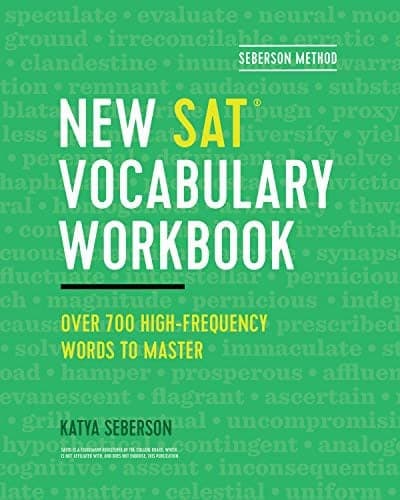
SAT Vocabulary Workbook
The closest companion to SATVocab for students who want guided lessons and written practice.
Check the workbook
Unable to pay debts; financially insolvent
adjectivePick the meaning. Keys A–D work too.
Your choice schedules the next review.
The man who could not dissolve his company was forced to declare bankruptcy so that he could start a new life all over again on a clean slate.
in-SOL-vənt
in-solvent (not solvent)
Remember that 'solvent' means having enough assets to pay all debts; 'insolvent' is the opposite. Insolvency is the state of being unable to pay debts.
solvent, bankruptcy, insolvency, debt, creditor, liquidation
Avoid confusing 'insolvent' with merely being in debt temporarily; insolvency implies a sustained inability to meet obligations and often leads to bankruptcy or liquidation.
From Late Latin insolvens, from in- 'not' + solvens 'paying' (from solvere 'to loosen, to pay').
IN SOLVent: IN means not; SOLVent means paying money. Remember: if you are IN SOLVent, you are not paying your debts—insolvent.
Continue in alphabetical order.
Pick any word below to jump in.
Moral integrity; the quality of being honest and having strong ethical principles.
A hard green gemstone formed by nephrite or jadeite; jade is also used as a color name describing shades of green.
Describing actions or thinking that are random, disconnected, and lacking a clear plan or purpose; unorganized or inconsistent.
Related words and words with the same part of speech.
Difficult to understand; obscure or highly complex.
Happening by chance or without deliberate planning; not intended. In music, it is also a noun for a symbol that temporarily alters a pitch.
Sharp or biting in tone or taste; caustic or mordant in manner.
Ready to agree or approve without protest; compliant.
Rigid in opinion or purpose; not willing to change one's mind or position.
Having or showing a high level of skill or proficiency; very capable.
Study beyond this word
Add a workbook for repetition or the official guide for full-test context.
Vocabulary in context
The closest companion to SATVocab for students who want guided lessons and written practice.
Check the workbook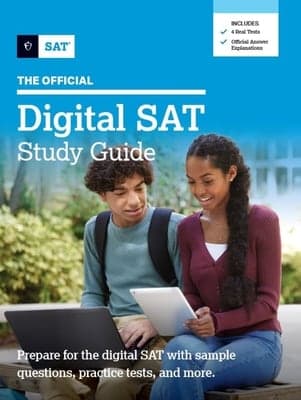
First-time test takers
Official question styles, test structure, and print practice from the College Board.
Check the official guidePaid Amazon links. As an Amazon Associate I earn from qualifying purchases.