
Vocabulary in context
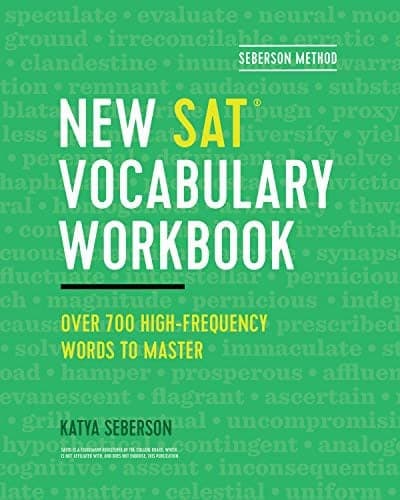
SAT Vocabulary Workbook
The closest companion to SATVocab for students who want guided lessons and written practice.
Check the workbook
Not believable or credible; difficult to accept as true or likely.
adjectivePick the meaning. Keys A–D work too.
Your choice schedules the next review.
Imagine a detective hearing a witness's story that claims the thief vanished into thin air after a perfect crime. The tale sounds flashy but wildly unbelievable, and the detective raises an eyebrow at how implausible every detail is when checked against the evidence.
im-PLAWS-uh-buhl
Looks like plausible with the prefix im- negating the meaning
Implausible is the opposite of plausible. The prefix im- negates the root word, which comes from the Latin plausibilis meaning worthy of applause; thus implausible literally means not worthy of belief or not credible.
Use implausible to describe something that strains credibility but is not absolutely impossible. It is weaker than 'unbelievable' and should be chosen when there is doubt about believability rather than certainty of impossibility.
From plausible with the prefix im- (not). Plausible derives from Latin plausibilis 'worthy of applause' from plausus 'applause'; the English form plausible appeared via Old French plausible, and implausible adds the negating prefix im-.
Im-plaus-ible = Not worthy of applause. Visualize a speaker on a stage, trying to earn applause, but the audience remains quiet—the claim is implausible.
Continue in alphabetical order.
Pick any word below to jump in.
Harmony or friendliness in relationships; goodwill between people or nations.
The height of a person or thing, or more often, a person’s standing, reputation, or level of respect in a community.
To mock or ridicule someone; to express contempt for by laughing at or making fun of them.
Related words and words with the same part of speech.
Seeming right or reasonable; appearing to be true or probable.
Capable of being believed; believable or trustworthy enough to be accepted as true.
Difficult to understand; obscure or highly complex.
Happening by chance or without deliberate planning; not intended. In music, it is also a noun for a symbol that temporarily alters a pitch.
Sharp or biting in tone or taste; caustic or mordant in manner.
Ready to agree or approve without protest; compliant.
Study beyond this word
Add a workbook for repetition or the official guide for full-test context.
Vocabulary in context
The closest companion to SATVocab for students who want guided lessons and written practice.
Check the workbook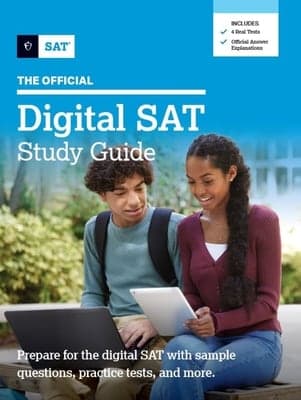
First-time test takers
Official question styles, test structure, and print practice from the College Board.
Check the official guidePaid Amazon links. As an Amazon Associate I earn from qualifying purchases.