
Vocabulary in context
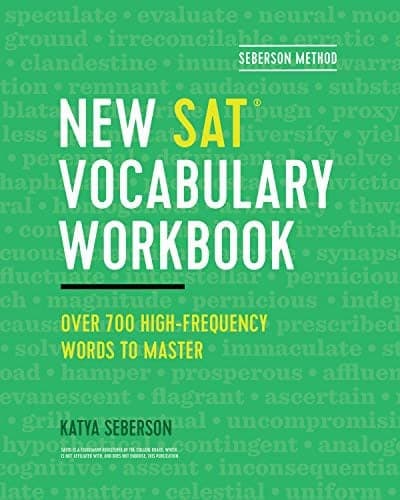
SAT Vocabulary Workbook
The closest companion to SATVocab for students who want guided lessons and written practice.
Check the workbook
To anticipate or predict something before it happens; to have awareness of future events.
verbPick the meaning. Keys A–D work too.
Your choice schedules the next review.
Imagine a chess grandmaster who can glimpse several moves ahead, predicting every countermove and planning a win before a single piece is moved.
for-SEE
fore + see; visually suggests seeing before.
Foresee is built from fore- meaning before and see; related forms include foreseeability (noun) and foreseeable (adjective).
anticipate, predict, forecast, envisage, presage, foretell
Use foresee to describe predicting future events. The past tense is foresaw; present participle foreseeing; third-person singular foresees. The noun form is foreseeability and the adjective is foreseeable. Foreseeable describes something that can be foreseen, not the act of foreseeing.
From Old English fore- meaning 'before' + sēon meaning 'to see'.
FORESEE: See before it happens. Remember the 'fore-' cue: when you need to understand future events, you fore-see them.
Continue in alphabetical order.
Pick any word below to jump in.
Not obvious or easily noticed; delicate and precise, requiring careful thought to notice or understand.
Showy and flashy in a tasteless or excessive way.
To make or declare something sacred; to dedicate formally to a religious or divine purpose, often through a ceremony.
Related words and words with the same part of speech.
To expect something and act in preparation for it; to foresee a likely outcome and take appropriate steps in advance.
To say what will happen in the future, often based on evidence, data, or reasoning; to forecast.
To give up completely, to desert or leave behind, or to relinquish a claim, plan, or responsibility.
To decrease in amount or intensity; to reduce or end something.
To formally end or repeal a system, practice, or institution; to officially put an end to something established.
To shorten (a text, speech, or other work) by omitting parts; to condense.
Study beyond this word
Add a workbook for repetition or the official guide for full-test context.
Vocabulary in context
The closest companion to SATVocab for students who want guided lessons and written practice.
Check the workbook
First-time test takers
Official question styles, test structure, and print practice from the College Board.
Check the official guidePaid Amazon links. As an Amazon Associate I earn from qualifying purchases.