
Vocabulary in context
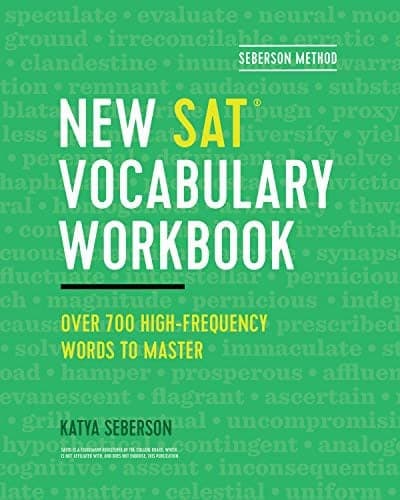
SAT Vocabulary Workbook
The closest companion to SATVocab for students who want guided lessons and written practice.
Check the workbook
To erase or remove completely; to blot out or obliterate, especially a record, memory, or evidence.
verbPick the meaning. Keys A–D work too.
Your choice schedules the next review.
To erase a pencil mark with an eraser is as easy as wiping tomato sauce away with a sponge.
ek-SPUNJ
erase
Expunge is commonly used with records or evidence; it carries a formal or legal tone and implies removing something so it no longer exists in the record.
erase, delete, wipe out, obliterate, efface
Expunge is transitive: expunge something from something. It should not be confused with erase in a general sense; expunge emphasizes complete removal from records or memory. Use in formal or legal contexts.
From Latin expungere, from ex- 'out' + pungere 'to prick or pierce', hence to blot out or erase; via Old French expunger.
EX-PUNGE: Think of 'ex out' and 'purge'—to expunge is to purge something from a record, making it disappear.
Continue in alphabetical order.
Pick any word below to jump in.
Related words and words with the same part of speech.
To wipe out; to erase completely or destroy utterly.
To erase or rub out; to cause something to disappear or become indistinct by removing traces.
To give up completely, to desert or leave behind, or to relinquish a claim, plan, or responsibility.
To decrease in amount or intensity; to reduce or end something.
To formally end or repeal a system, practice, or institution; to officially put an end to something established.
To shorten (a text, speech, or other work) by omitting parts; to condense.
Study beyond this word
Add a workbook for repetition or the official guide for full-test context.
Vocabulary in context
The closest companion to SATVocab for students who want guided lessons and written practice.
Check the workbook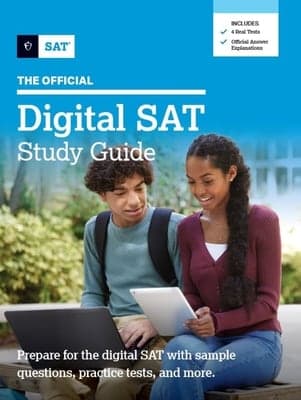
First-time test takers
Official question styles, test structure, and print practice from the College Board.
Check the official guidePaid Amazon links. As an Amazon Associate I earn from qualifying purchases.