
Vocabulary in context
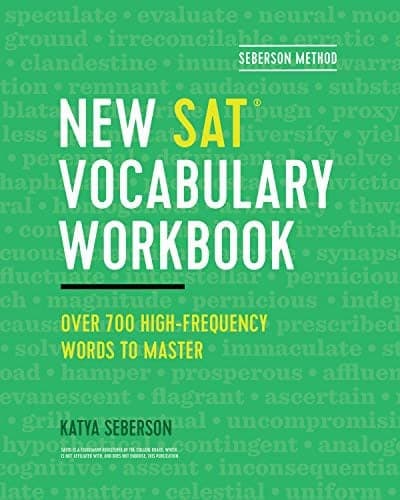
SAT Vocabulary Workbook
The closest companion to SATVocab for students who want guided lessons and written practice.
Check the workbook
Sullen, gloomy, stern, or hard; describes a mood, demeanor, or atmosphere that is unfriendly or severe.
adjectivePick the meaning. Keys A–D work too.
Your choice schedules the next review.
Imagine the clock approaching midnight. 'The hour has come,' the executioner told the death-row inmate to go into the gas chamber. At that point, the inmate felt everything becoming gloomy. Sour dough bread is usually hard to swallow.
sounds like 'door' (rhymes with 'hour')
Sour
Dour originally comes from Old French dur, from Latin durus meaning 'hard' or 'tough.' The sense of a stern, unfriendly demeanor developed from the idea of something hard or unyielding.
grim, austere, stern, severe
Avoid using dour to describe things that are merely sad or depressing; it denotes a stern, unfriendly, or harsh mood or appearance. Not the same as 'dreary' or 'melancholy' in everyday use.
From Old French dur (hard), from Latin durus (hard, tough). The sense evolved to describe a hard, stern demeanor.
Dour sounds like door; imagine a closed, unyielding door—unapproachable and stern. Also link to 'sour' for the mood sense.
Continue in alphabetical order.
Pick any word below to jump in.
Noun: a person who opposes or resists authority or control. Verb: to resist or rise against authority or established norms.
A union or combination of groups or parties for a common purpose; a temporary alliance.
Anger or irascibility; in historical or literary usage, the yellow bile believed to cause a hot temper.
Related words and words with the same part of speech.
Severely strict in living or thinking; plain, spare, and without luxury; stern.
Difficult to understand; obscure or highly complex.
Happening by chance or without deliberate planning; not intended. In music, it is also a noun for a symbol that temporarily alters a pitch.
Sharp or biting in tone or taste; caustic or mordant in manner.
Ready to agree or approve without protest; compliant.
Rigid in opinion or purpose; not willing to change one's mind or position.
Study beyond this word
Add a workbook for repetition or the official guide for full-test context.
Vocabulary in context
The closest companion to SATVocab for students who want guided lessons and written practice.
Check the workbook
First-time test takers
Official question styles, test structure, and print practice from the College Board.
Check the official guidePaid Amazon links. As an Amazon Associate I earn from qualifying purchases.