
Vocabulary in context
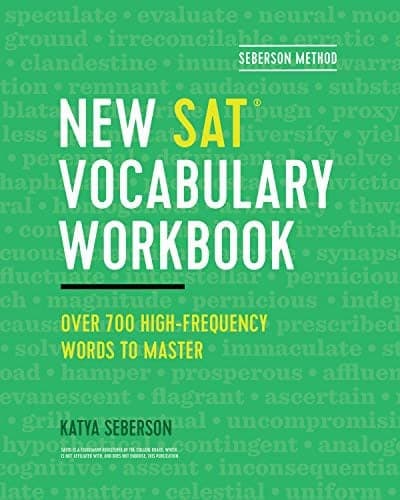
SAT Vocabulary Workbook
The closest companion to SATVocab for students who want guided lessons and written practice.
Check the workbook
Feeling or showing a loss of hope; disheartened and discouraged.
adjectivePick the meaning. Keys A–D work too.
Your choice schedules the next review.
Won’t you feel hopeless if no one responds to your 911 call, while your kitchen is on fire?
dih-SPOND-uhnt
de-spond-ent; resembles 'respond' with a de- prefix meaning down and the common -ent suffix.
The noun form is despondency and the adverb is despondently. This word describes mood rather than a physical state.
dejected, discouraged, downcast, crestfallen, hopeless
Despondent describes deep, prolonged discouragement; it is typically used with about, over, or at. Do not confuse with 'despond' (verb) which is rarer or archaic in modern usage.
From Latin despondēre, de- (down) + spondēre (to promise, pledge). The sense evolved from 'to give up hope' to 'downcast' in English.
Mnemonic: De- (down) + SPOND (sounds like 'respond') + -ent. When there is no response, you are down and despondent.
Continue in alphabetical order.
Pick any word below to jump in.
Related words and words with the same part of speech.
Difficult to understand; obscure or highly complex.
Happening by chance or without deliberate planning; not intended. In music, it is also a noun for a symbol that temporarily alters a pitch.
Sharp or biting in tone or taste; caustic or mordant in manner.
Ready to agree or approve without protest; compliant.
Rigid in opinion or purpose; not willing to change one's mind or position.
Having or showing a high level of skill or proficiency; very capable.
Study beyond this word
Add a workbook for repetition or the official guide for full-test context.
Vocabulary in context
The closest companion to SATVocab for students who want guided lessons and written practice.
Check the workbook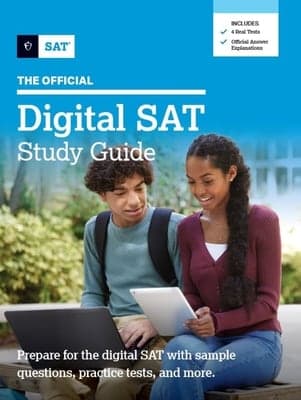
First-time test takers
Official question styles, test structure, and print practice from the College Board.
Check the official guidePaid Amazon links. As an Amazon Associate I earn from qualifying purchases.