
Vocabulary in context
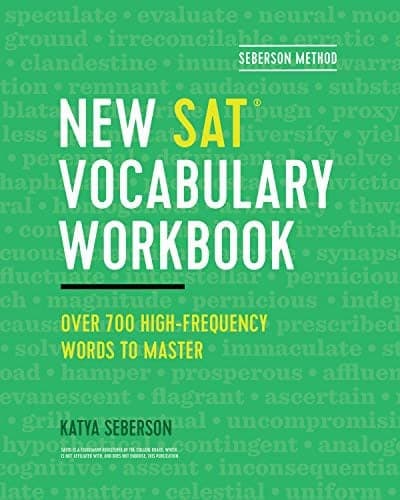
SAT Vocabulary Workbook
The closest companion to SATVocab for students who want guided lessons and written practice.
Check the workbook
Self-satisfied and smug; content with one's situation, often unconcerned about potential problems or the needs of others.
adjectivePick the meaning. Keys A–D work too.
Your choice schedules the next review.
When the worshippers go to the temple, they place a cent on the bronze Buddha's belly, hoping that their wishes will be satisfied. The worshippers usually only care about their own needs and show no concern for others. A miser places a cent into the beggar’s hat and, feeling very generous, he walks away with a self-satisfied smile.
kuh-PLAY-suhnt
com-PLACE-uhnt
The word comes from Latin complacentem, the present participle of complacēre 'to please completely'; beware of confusing complacent with complaisant, which means eager to please others.
contentment, smugness, self-satisfaction, apathy, stagnation
Used mainly in negative contexts to describe a lack of motivation to improve or concern for others. Commonly followed by about or in (e.g., complacent about the status quo).
From Latin complacentem, present participle of complacēre 'to please completely'; from com- 'together' + placēre 'to please', with the sense of pleasing oneself.
Mnemonic: COM-PLEASE-NT — when you are complacent you are pleased with yourself; the word literally contains 'please' inside.
Continue in alphabetical order.
Pick any word below to jump in.
Related words and words with the same part of speech.
A lack of interest, enthusiasm, or concern.
Difficult to understand; obscure or highly complex.
Happening by chance or without deliberate planning; not intended. In music, it is also a noun for a symbol that temporarily alters a pitch.
Sharp or biting in tone or taste; caustic or mordant in manner.
Ready to agree or approve without protest; compliant.
Rigid in opinion or purpose; not willing to change one's mind or position.
Study beyond this word
Add a workbook for repetition or the official guide for full-test context.
Vocabulary in context
The closest companion to SATVocab for students who want guided lessons and written practice.
Check the workbook
First-time test takers
Official question styles, test structure, and print practice from the College Board.
Check the official guidePaid Amazon links. As an Amazon Associate I earn from qualifying purchases.