
Vocabulary in context
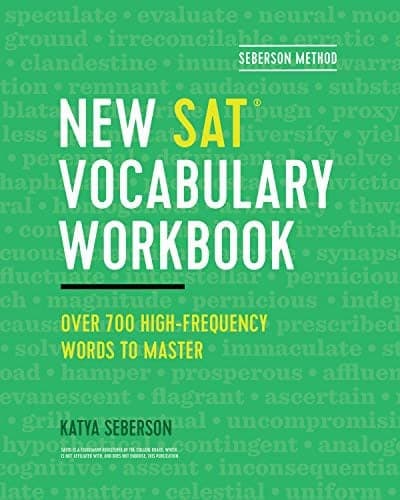
SAT Vocabulary Workbook
The closest companion to SATVocab for students who want guided lessons and written practice.
Check the workbook
Providing psychological relief through the open expression of strong emotions; causing a sense of cleansing or release.
adjectivePick the meaning. Keys A–D work too.
Your choice schedules the next review.
Imagine a tense argument that ends with someone venting through journaling and crying; after the emotional release, the air feels lighter and the person smiles with relief.
kuh-THAR-tik
Related to the noun catharsis; shares Greek root meaning cleansing.
Derived from Greek katharsis meaning cleansing or purification; Aristotle used the term to describe emotional release in tragedy; in psychology, cathartic experiences aim to purge pent-up emotions.
catharsis, emotional release, venting, purge, unburdening
Cathartic describes the experience or effect of releasing strong emotions; it does not guarantee that every emotional outburst is beneficial—if distress worsens, it may not be cathartic.
From Greek katharsis meaning cleansing or purification, from kathairein meaning to purify.
Cathartic resembles catharsis, the idea of a soul cleansing. Think: the ART of cleansing the HEART — an emotional release that purges tension and brings clarity.
Continue in alphabetical order.
Pick any word below to jump in.
Not recognized or celebrated; not given credit for one's achievements.
1) Training or exercise intended to produce obedience, self-control, and orderly behavior; 2) a branch or field of study; 3) self-control or restraint in thoughts and actions.
Coming after in time or order; following.
Related words and words with the same part of speech.
Difficult to understand; obscure or highly complex.
Happening by chance or without deliberate planning; not intended. In music, it is also a noun for a symbol that temporarily alters a pitch.
Sharp or biting in tone or taste; caustic or mordant in manner.
Ready to agree or approve without protest; compliant.
Rigid in opinion or purpose; not willing to change one's mind or position.
Having or showing a high level of skill or proficiency; very capable.
Study beyond this word
Add a workbook for repetition or the official guide for full-test context.
Vocabulary in context
The closest companion to SATVocab for students who want guided lessons and written practice.
Check the workbook
First-time test takers
Official question styles, test structure, and print practice from the College Board.
Check the official guidePaid Amazon links. As an Amazon Associate I earn from qualifying purchases.