
Vocabulary in context
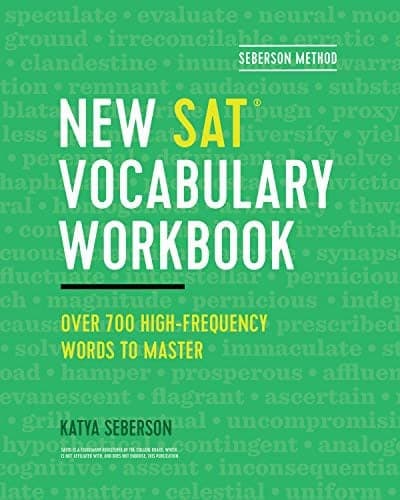
SAT Vocabulary Workbook
The closest companion to SATVocab for students who want guided lessons and written practice.
Check the workbook
Having a strong dislike or opposition to something; unwilling to do or engage in it.
adjectivePick the meaning. Keys A–D work too.
Your choice schedules the next review.
The boy is reluctant to attend Sunday School because he is unwilling to recite verses in the Bible.
uh-VERSE
A_verse (in the Bible)
Remember: Averse is often confused with adverse (harmful) or with the idea of being 'averse to' something; the suffix -verse hints at turning away rather than turning toward.
disinclination, reluctance, opposition, skepticism
Usually followed by 'to' plus a noun or gerund (e.g., averse to taking risks). Do not use 'averse' to mean 'not willing' without 'to'.
From Latin aversus 'turned away,' the past participle of avertere 'to turn away' (ab- 'away' + vertere 'to turn').
Averse = Away from verse. Remember that if you are averse to something, you turn away from it; A-VERSE means turning away from the verse.
Continue in alphabetical order.
Pick any word below to jump in.
Related words and words with the same part of speech.
Difficult to understand; obscure or highly complex.
Happening by chance or without deliberate planning; not intended. In music, it is also a noun for a symbol that temporarily alters a pitch.
Sharp or biting in tone or taste; caustic or mordant in manner.
Ready to agree or approve without protest; compliant.
Rigid in opinion or purpose; not willing to change one's mind or position.
Having or showing a high level of skill or proficiency; very capable.
Study beyond this word
Add a workbook for repetition or the official guide for full-test context.
Vocabulary in context
The closest companion to SATVocab for students who want guided lessons and written practice.
Check the workbook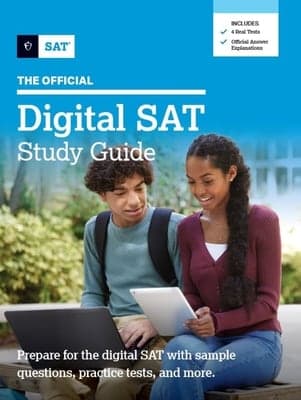
First-time test takers
Official question styles, test structure, and print practice from the College Board.
Check the official guidePaid Amazon links. As an Amazon Associate I earn from qualifying purchases.